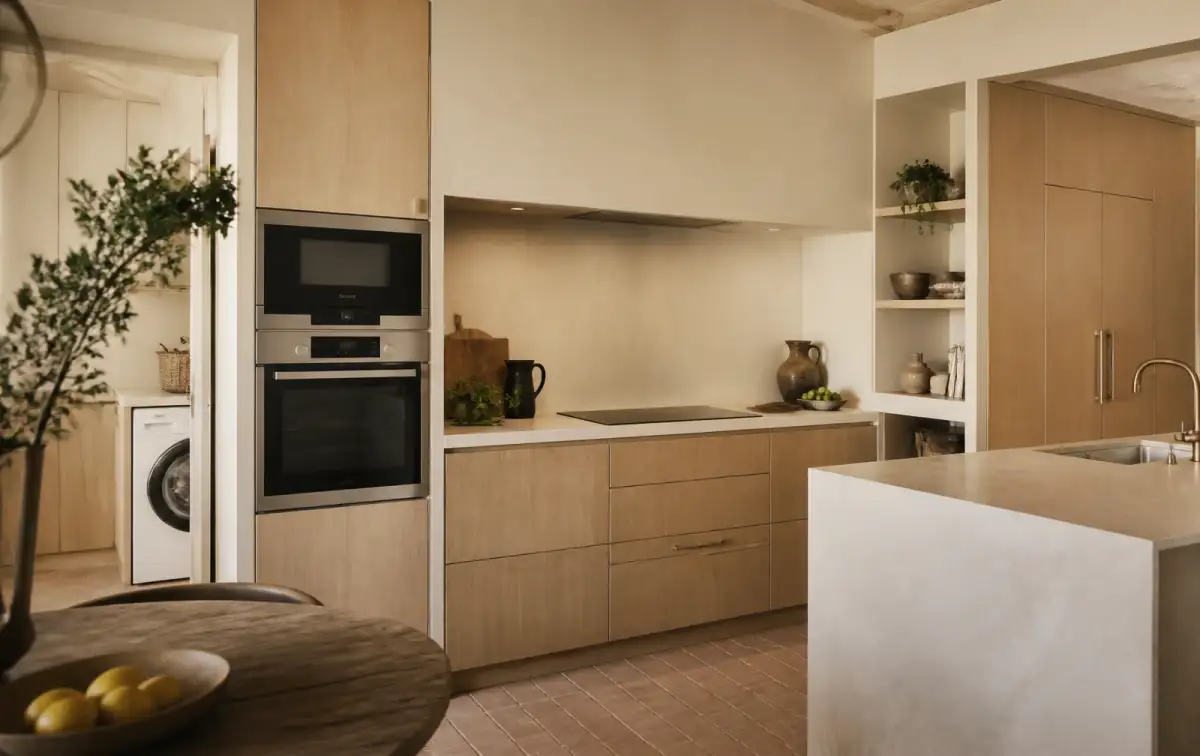
01 / 04
The appliance package follows the cabinetry
Built-in dimensions, hinge side, ventilation and connection positions are checked against the kitchen drawings before ordering.
Installation data checked against joinery
Built-in, freestanding and small home appliances, selected as a compatible package and delivered to programme.
We supply the complete electrical-appliance package for a home or project: cooking, refrigeration, dishwashing, laundry, extraction, floor care, coffee and selected small appliances. Built-in dimensions, connections, ventilation and door clearances are checked against the kitchen or utility design, while freestanding and countertop appliances are consolidated into the same quote and delivery programme.
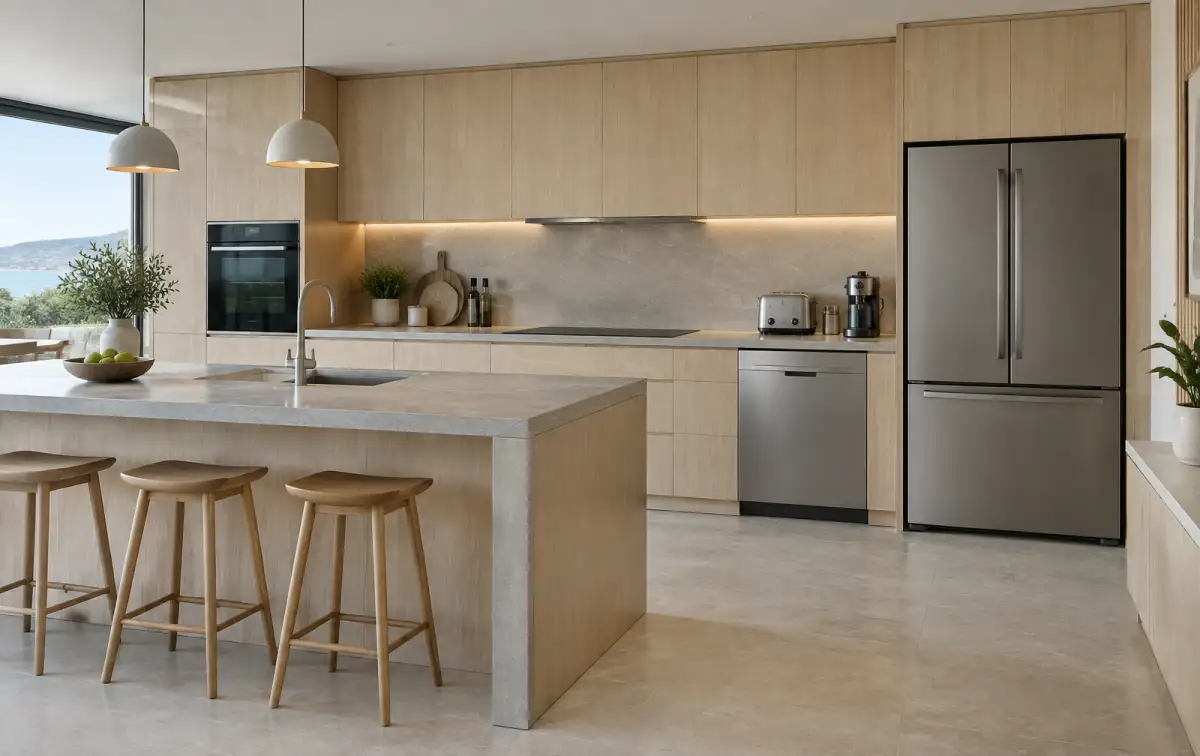
An oven, refrigerator or extractor is part of the architecture once it is built in. A few millimetres, the wrong hinge side or missing ventilation can delay the kitchen more than the appliance itself.

The best appliance package is the one that fits the cabinetry, the connections and the way the household actually lives.
We consolidate large and small appliances around the household routine, then provide the model data needed by the kitchen maker, electrician and plumber.
One schedule aligns every model number with its opening, connection and delivery point before joinery and worktops are finalised.
Built-in dimensions, hinge side, ventilation and connection positions are checked against the kitchen drawings before ordering.
Installation data checked against joinery
Cooking, cooling, washing and small appliances are consolidated so budget and delivery can be managed as one package.
One appliance schedule and quote
Capacity, noise, controls and cleaning requirements are prioritised ahead of features that add cost without improving the household routine.
Use-led model comparison
Appliances are sequenced around cabinetry, worktops and final connections instead of arriving too early on an active site.
Programme-based delivery
Appliances divide by how they are installed. Built-in models are hidden behind cabinet doors and must match the joinery to the millimetre; freestanding ones sit on their own and are judged on capacity, efficiency and noise; small kitchen appliances live on the worktop; home-care appliances look after floors, clothes and air. Settle the built-in list with the kitchen design, then add the rest to the same schedule.
Built-in appliances give the kitchen one calm line of fronts, with the oven, fridge and dishwasher at the height and in the place you use them most. They are designed around standard cabinet openings, mostly 60 cm wide, so the niche sizes go to the kitchen maker before the carcasses are cut. Induction hobs need a dedicated circuit and pans with a magnetic base; pyrolytic ovens burn off grease at high temperature and need the ventilation gap the maker draws. A fully integrated fridge is fixed to its door by a hinge type that changes the cabinet design.
Choose built-in when the kitchen is being designed now and you want the appliances to disappear into it.
Look at freestanding appliances if the kitchen stays as it is or you may take the appliances with you.
Freestanding appliances give you capacity and choice without building them into cabinets, and they leave with you when you move. Because they stand in the open, energy, noise and climate tolerance count for more than how they look behind a door. Fridges, washing machines, dryers and dishwashers carry the rescaled EU energy label running from A to G, and washing machines also show a noise class. In Greek summers a fridge in a hot utility room or a covered veranda should carry climate class ST or T, which means it is tested to keep food cold at higher room temperatures.
Choose freestanding when you need capacity quickly, or the appliance stands in a laundry or a rented home.
Look at built-in models if the kitchen is being redesigned and you want an unbroken run of cabinet fronts.
Small kitchen appliances turn everyday rituals, from the morning coffee to bread dough, into quick and repeatable routines. Choosing them well means thinking about the worktop: footprint, cable reach, the nearest socket and where the machine lives between uses. Coffee machines range from pump espresso units to bean-to-cup models that grind, tamp and brew at a touch; stand mixers are judged by bowl size and how the beater moves. Power draw adds up, so a kettle, toaster and coffee machine on one double socket can trip a circuit at breakfast.
Choose small appliances as a set when you are finishing a kitchen and want the worktop to look like one design.
Look at a built-in coffee machine or steam oven if you want these functions inside the tall cabinets instead.
Home-care appliances keep floors, clothes and indoor air clean with less effort, which matters most in homes with pets, allergies or holiday turnovers. Cordless stick vacuums and robots now do most daily cleaning, while wet-and-dry machines handle tiles and stone. A sealed system with a HEPA filter of class H13 keeps fine dust in the machine rather than returning it to the room. Air purifiers are compared by CADR, the volume of clean air they deliver, and dehumidifiers by litres extracted per day at stated test conditions.
Choose these when you want daily cleaning to take less time across the whole house, not just the kitchen.
Look at a central vacuum or a ducted ventilation system if the home is being rebuilt and you want them in the walls.
Built-in models checked against every opening.
Oven towers, hobs, extraction, refrigeration and dishwashing are coordinated with joinery and worktops.
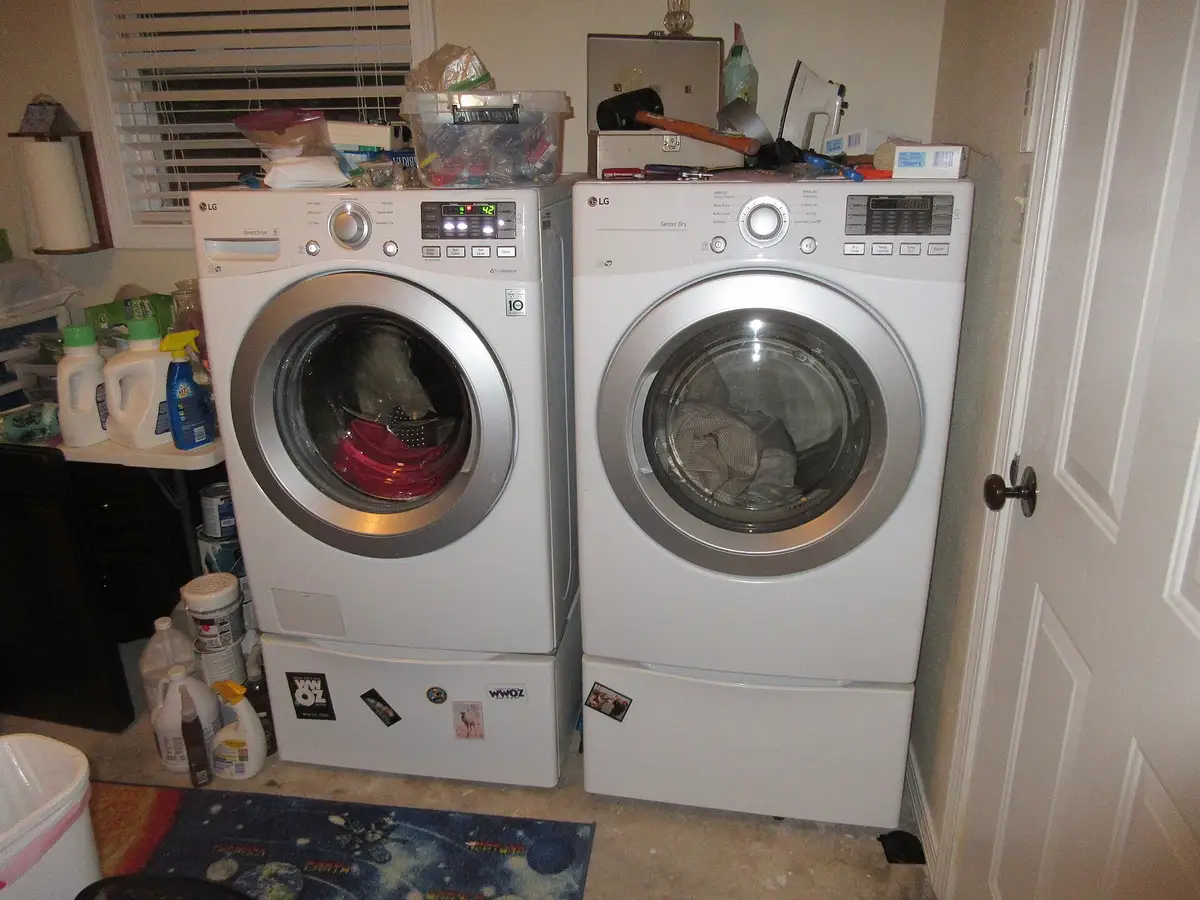
Laundry capacity without blocking service access.
Washing, drying, drainage and stacking requirements are resolved within the utility layout.

Repeatable packages for every room type.
Quiet, simple appliances are scheduled by room type and delivered in phases as units become ready.

Small appliances chosen as part of the same routine.
Coffee, food preparation, floor care and air treatment are compared by use, storage and maintenance.
Built-in openings and ventilation should be based on the exact manufacturer's data.
Electrical phase, socket position, water, drainage and ducting must match the selected model.
External dimensions can hide large differences in usable fridge, oven or drum volume.
Open-plan kitchens and bedrooms near utility areas benefit from quieter models.
Built-in appliances and countertop items do not need to arrive at the same time.
A clear schedule supports installation, warranty registration and future replacement.
The available opening can force a compromised model or expensive joinery alteration.
Ventilation and niche requirements differ even when the nominal width is the same.
Adjacent walls, islands and cabinet fronts can block full opening.
The cards show the figures that drive each order: niche or footprint sizes, energy and noise classes from the EU label where one applies, power needs and the finishes most ranges are offered in. They are what your kitchen maker and electrician will ask for first.
 01
Ask the kitchen maker to leave the ventilation slots shown in the installation drawing. Run the pyrolytic cycle with the racks out unless the maker says they can stay in.
 02
Leave the air gap behind a fridge that the maker specifies, more in a hot room. Clean the washer's filter and the dryer's condenser every few weeks.
 03
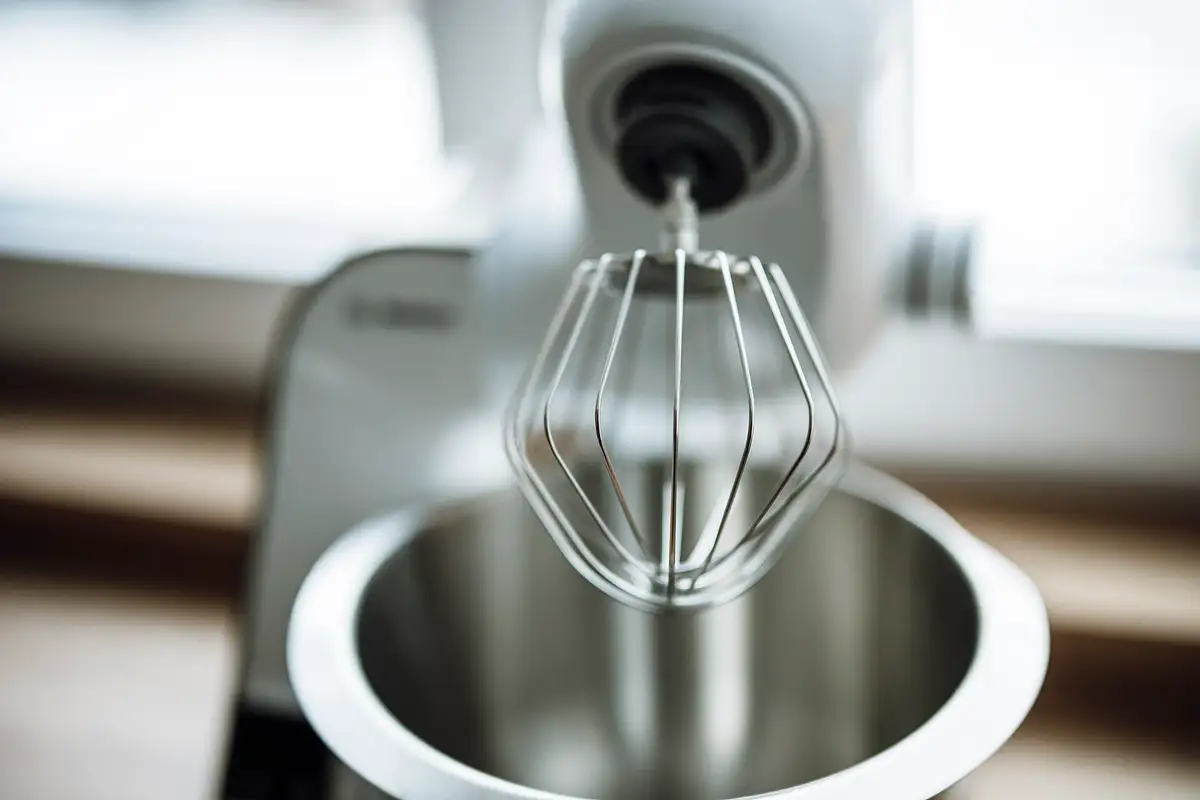
Descale kettles and coffee machines regularly; most Greek mains water is hard. Keep machines a hand's width from the wall so steam does not damage the paint.
 04
Empty the bin and rinse or replace filters as the maker advises; a clogged filter cuts suction first. Give robots clear floors and a docking spot with space on each side.
One schedule aligns every model number with its opening, connection and delivery point before joinery and worktops are finalised. This is the part most suppliers leave out: what we import, how electrical appliances should be specified before anyone prices it, where projects lose money, and what our 1–6 wks lead time actually covers.
We supply the complete electrical-appliance package for a home or project: cooking, refrigeration, dishwashing, laundry, extraction, floor care, coffee and selected small appliances. Built-in dimensions, connections, ventilation and door clearances are checked against the kitchen or utility design, while freestanding and countertop appliances are consolidated into the same quote and delivery programme.
Because we buy electrical appliances directly from the factories, the range you see is the range we can programme — not a catalogue we hope to source later. In practice that means built-in kitchen appliances, freestanding appliances and small kitchen appliances, each with its own price band and availability, so a specification can be tuned to a budget instead of abandoned.
The appliance package follows the cabinetry: built-in dimensions, hinge side, ventilation and connection positions are checked against the kitchen drawings before ordering.
The best appliance package is the one that fits the cabinetry, the connections and the way the household actually lives.
Built-in dimensions, hinge side, ventilation and connection positions are checked against the kitchen drawings before ordering.
Cooking, cooling, washing and small appliances are consolidated so budget and delivery can be managed as one package.
Capacity, noise, controls and cleaning requirements are prioritised ahead of features that add cost without improving the household routine.
Appliances are sequenced around cabinetry, worktops and final connections instead of arriving too early on an active site.
Specifying electrical appliances well comes down to a short list of decisions taken in the right order — freeze the model before joinery production, check every connection, compare useful capacity and treat noise as a design criterion. Taken on paper, these cost nothing. Taken on site, each one is a change order.
We write the specification with you before anything is quoted, so the number you get is for the material that will actually be installed. That means confirmed dimensions and finishes, the right performance class for the space, and quantities that include the waste factor rather than discovering it mid-installation.
The same reference behaves differently depending on where it goes — new kitchens, whole-home renovations, apartments and villas, rental properties each carry their own requirements, and we specify against the space rather than against a mood image.
Model designed to fit within cabinetry using defined openings and ventilation.
Self-finished unit installed independently between or beside cabinets.
Required cabinet opening for a built-in appliance.
Extractor configuration that filters and returns air instead of ducting outside.
Almost every delay we are called in to rescue traces back to the same handful of causes: selecting after the cabinetry is ordered, assuming all built-in units share dimensions, ignoring door and handle clearances, sending everything to an unfinished site. None of them are exotic, and all of them are avoidable at specification stage.
Selecting after the cabinetry is ordered is the most expensive one, because the available opening can force a compromised model or expensive joinery alteration.
We have supplied electrical appliances into kitchens, utility rooms and hospitality suites, and the pattern is consistent: the projects that run smoothly are the ones where the material was locked before the trades were booked.
Assuming all built-in units share dimensions — checked once on paper, never again on site.
The available opening can force a compromised model or expensive joinery alteration.
Ventilation and niche requirements differ even when the nominal width is the same.
Adjacent walls, islands and cabinet fronts can block full opening.
Early delivery increases damage, loss and repeated handling.
Standard lead time on electrical appliances is 1–6 wks from confirmed specification, and that window covers the whole chain — factory programming, consolidation, transport, customs where applicable and delivery to site or to your warehouse. We quote the landed number, not an ex-works price that grows later.
Pricing is per project rather than per line. Because we import directly and consolidate electrical appliances with the rest of the materials for the same room, you get one quote, one delivery window and one point of contact — and the savings show up on the total, not just on a headline reference.
If you already have drawings, send them and we will come back with a specification and a landed price. If you do not, we will build the specification with you first. Either way, nothing is ordered until the quantities, finishes and dates are agreed in writing.
It covers built-in and freestanding kitchen appliances, laundry, refrigeration, extraction, floor care and selected small household appliances.
White Appliances is the focused large-appliance category. This broader page also includes built-in cooking, extraction, countertop and small household appliances, allowing a complete home package.
Yes. We review cabinet openings, door hinges, ventilation, worktop cut-outs and connection requirements against the selected models before the order is confirmed.
They can be consolidated, but the best delivery sequence depends on the project. Built-in units may arrive for installation while freestanding and small appliances are held until the site is secure and clean.
Yes. We discuss individual home requirements, complete renovations and repeat project schedules with architects, contractors, hotels and property operators.
Yes. We compare models against the functions, dimensions, efficiency, controls and budget that matter for the project, then prepare a consolidated proposal.
Materials from this category are usually specified for kitchen development and interior design projects. We specify and supply every material the project needs; if you need installers, we can suggest partners you contract directly.