01 / 04
The render you approved is what gets installed
Beam angle and colour temperature are specified against the actual material on the wall, so the finished room matches the visual you signed off.
What you approved is what gets fitted
Architectural, decorative and technical lighting for homes, hotels and commercial interiors.
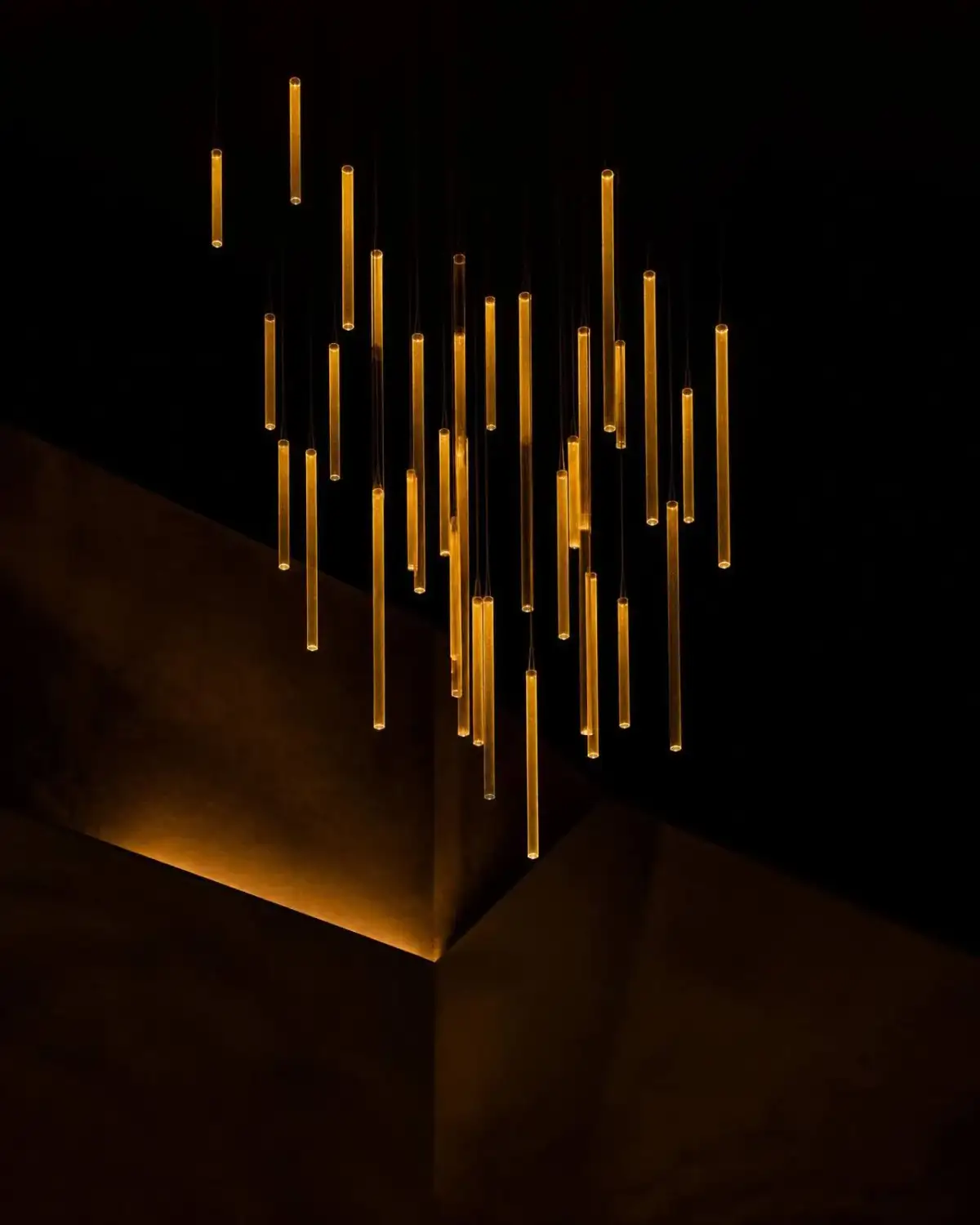
Lighting decides how every other material reads. We import architectural and decorative lighting — recessed and track systems, linear profiles, exterior and landscape fittings, plus decorative pieces — and specify them against the surfaces in the project, so the tile, stone and timber you chose actually look like they did in the render.
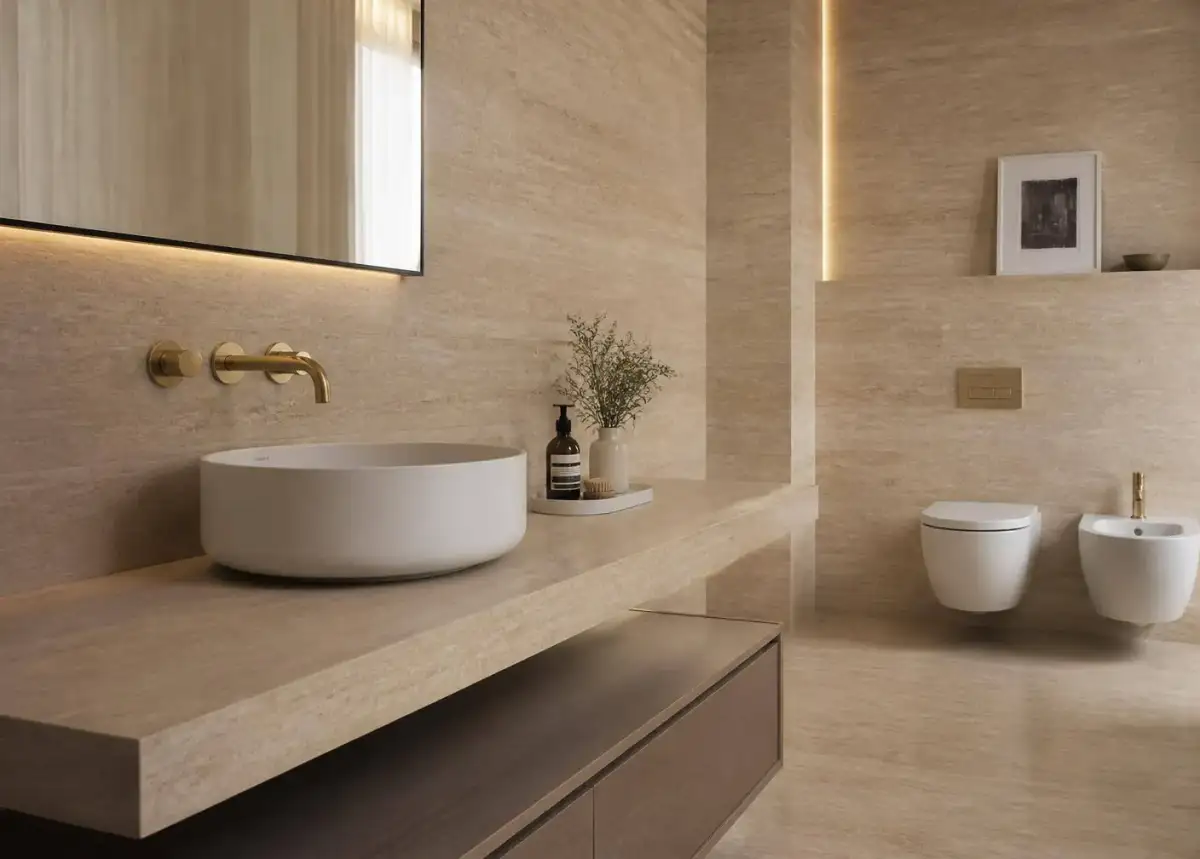
A travertine wall under the wrong colour temperature looks grey and dead, no matter what it cost. Get the lighting scheme wrong and every other material in the project under-performs — which is why we treat beam angle, colour temperature and glare control as commercial decisions, checked against your surfaces before the order is confirmed, not an electrical afterthought bolted on at the end.
The lighting scheme you approve in 3D is the one that gets installed — same beam, same tone, same result.
We import architectural and decorative lighting — recessed and magnetic track systems, linear profiles for coves and joinery, exterior and landscape fittings, and decorative pieces — and supply the drivers, profiles and control gear with them. That matters because most flicker and dimming failures come from a driver and a dimmer that were bought from two different suppliers.
Most flicker and dimming faults come from a driver and dimmer bought from two different suppliers. We supply both together and check the match before the order ships.
Beam angle and colour temperature are specified against the actual material on the wall, so the finished room matches the visual you signed off.
What you approved is what gets fitted
Recessed, linear, decorative and landscape fittings from a single order, with drivers and dimmers matched so nothing flickers on day one.
One supplier, indoors and out
Lumen output, CRI, CCT, IP rating and dimming protocol supplied upfront, so nothing is discovered on site by the electrician.
Full spec sheet before you commit
Fittings and controls chosen for durability under continuous commercial operation, not just showroom photography.
Commercial-grade, not showroom-only
Spots, adjustable downlights and magnetic track systems for flexible interiors.
Continuous LED profiles for coves, joinery, shelving and wall-washing.
Pendants, wall lights and floor lamps that carry the character of a room.
IP-rated bollards, uplights, step lights and facade washers.

A living room needs ambient, task and accent light on separate circuits, all dimming down to a warm evening scene. Downlights wash the walls rather than the floor, and the cove does the ambient work invisibly.
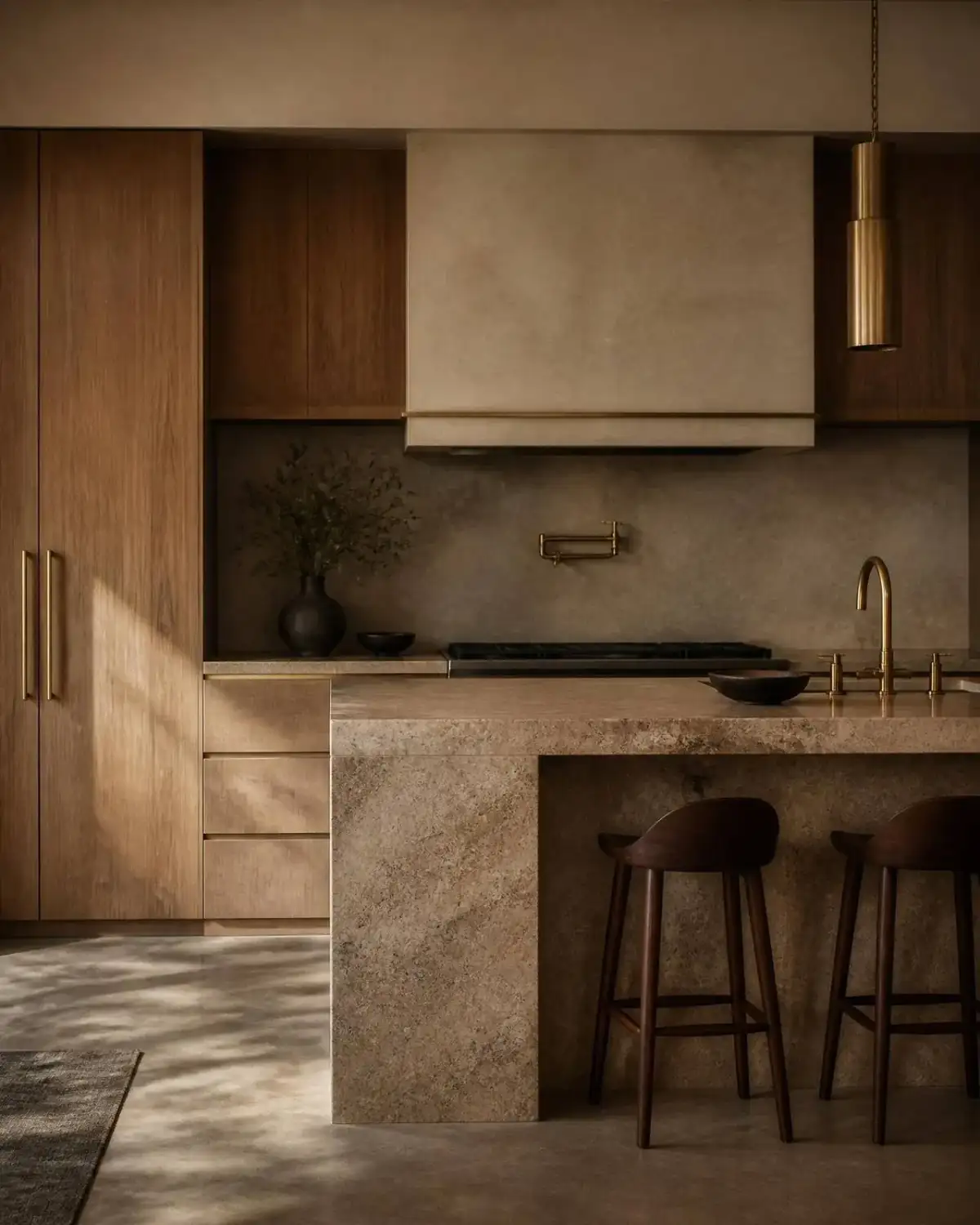
Under-cabinet linear light does the actual work; pendants over the island do the character. Downlights are set forward of the cabinet line so the person working is not standing in their own shadow.
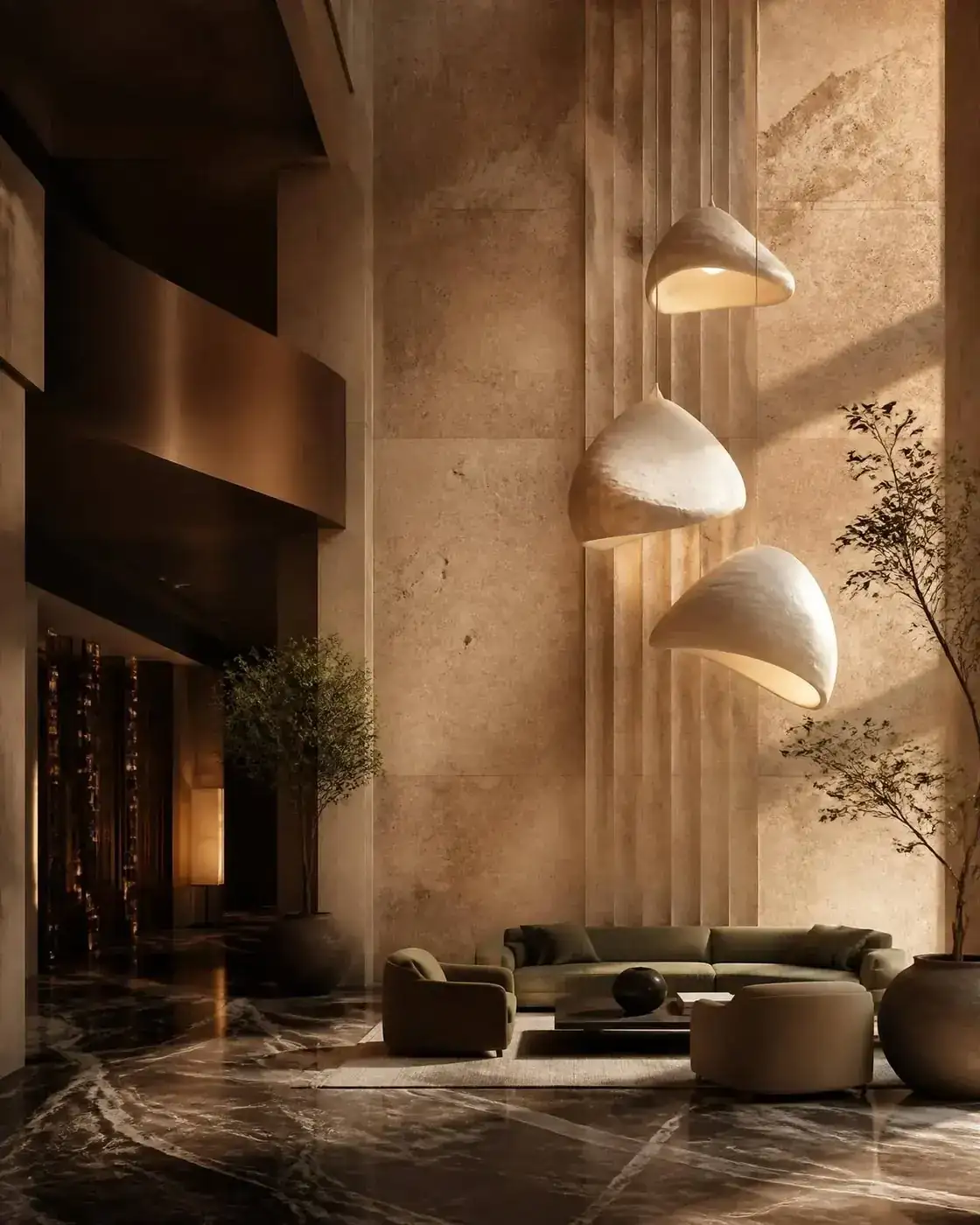
Hospitality lighting lives on contrast: pools of light on the table, darkness between them. Deep-recessed anti-glare optics keep the source out of a seated guest's line of sight, and DALI scenes take the room from breakfast to dinner.
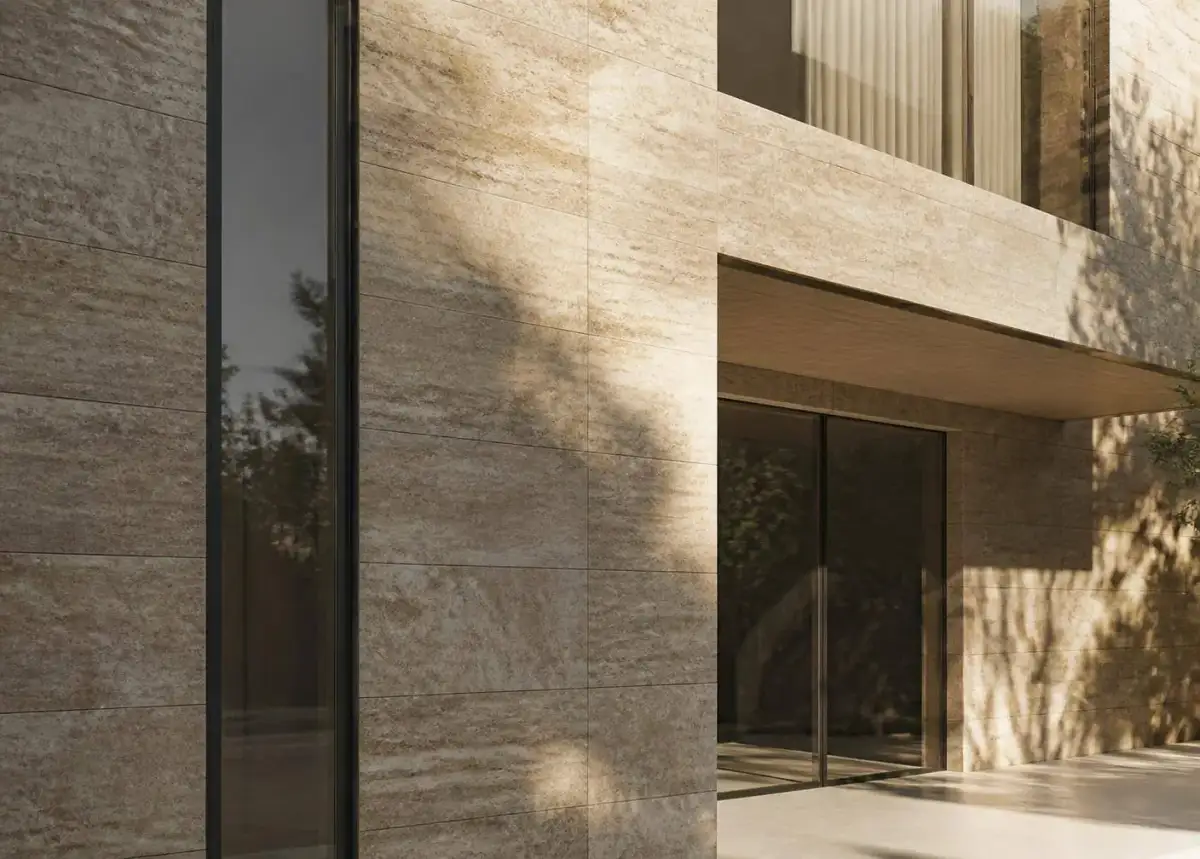
Exterior lighting is about what you can see lit and not see shining. Grazing uplights close to a stone facade reveal the texture; bollards and step lights handle the path without turning the garden into a car park.
Architectural,decorativeandtechnicallightingforhomes,hotelsandcommercialinteriors.
Mix temperatures in one room and every material you specified — stone, wood, paint — looks cheaper than it is, and the fix is re-lamping, not re-painting. 2700K suits residential and warm stone, 3000K most hospitality, 3500–4000K technical, retail and cool grey palettes.
Below CRI 90, reds and terracottas visibly flatten under the light, undermining a stone or tile spend the client has already approved. In a showroom, restaurant or stone-heavy interior, the extra cost of CRI 90+ is the cheapest insurance in the project.
TRIAC, 0–10V and DALI are not interchangeable, and a mismatch is the single biggest cause of a flicker complaint and a return visit after handover. Checking driver type against the specified dimmer before quoting removes that risk entirely.
Dimming down a badly shielded fitting doesn't fix the discomfort — it just makes the glare dimmer. Deep recess, honeycomb louvres and a stated UGR figure solve comfort properly, at the fitting stage.
Guessing spacing on the day produces a scalloped wall instead of an even wash, and re-positioning fittings after first fix means chasing ceilings again. Spacing, beam angle and mounting height are planned together on a reflected ceiling plan.
Drivers, profiles, end caps and connectors left off the order stop the electrician mid-installation, and the delay lands on the programme, not the supplier who forgot them.
A ceiling full of spots is money spent flattening a room instead of improving it. Fewer fittings, better placed, with light on the vertical surfaces, reads better and costs less to run.
Getting the IP rating wrong in a bathroom zone or exterior position means a retrofit after a failure, which always costs more than specifying the correct fitting the first time.
Representative selections from the catalog — indicative of what we quote, stock-source and deliver week to week. Ask for the full schedule with formats, finishes and current lead times.
01Spots, adjustable downlights and magnetic track systems for flexible interiors.
02Continuous LED profiles for coves, joinery, shelving and wall-washing.
03Pendants, wall lights and floor lamps that carry the character of a room.
04IP-rated bollards, uplights, step lights and facade washers.
Most flicker and dimming faults come from a driver and dimmer bought from two different suppliers. We supply both together and check the match before the order ships. This is the part most suppliers leave out: what we import, how lighting should be specified before anyone prices it, where projects lose money, and what our 1–2 wks lead time actually covers.
Lighting decides how every other material reads. We import architectural and decorative lighting — recessed and track systems, linear profiles, exterior and landscape fittings, plus decorative pieces — and specify them against the surfaces in the project, so the tile, stone and timber you chose actually look like they did in the render.
Because we buy lighting directly from the factories, the range you see is the range we can programme — not a catalogue we hope to source later. In practice that means recessed & track, linear & profiles and decorative, each with its own price band and availability, so a specification can be tuned to a budget instead of abandoned.
The render you approved is what gets installed: beam angle and colour temperature are specified against the actual material on the wall, so the finished room matches the visual you signed off.
The lighting scheme you approve in 3D is the one that gets installed — same beam, same tone, same result.
Beam angle and colour temperature are specified against the actual material on the wall, so the finished room matches the visual you signed off.
Recessed, linear, decorative and landscape fittings from a single order, with drivers and dimmers matched so nothing flickers on day one.
Lumen output, CRI, CCT, IP rating and dimming protocol supplied upfront, so nothing is discovered on site by the electrician.
Fittings and controls chosen for durability under continuous commercial operation, not just showroom photography.
Specifying lighting well comes down to a short list of decisions taken in the right order — decide colour temperature against the finishes, not the fitting, decide CRI before the material budget, not after, decide the driver and dimmer together, before you order either, decide glare control with the optic, not the dimmer switch. Taken on paper, these cost nothing. Taken on site, each one is a change order.
We write the specification with you before anything is quoted, so the number you get is for the material that will actually be installed. That means confirmed dimensions and finishes, the right performance class for the space, and quantities that include the waste factor rather than discovering it mid-installation.
The same reference behaves differently depending on where it goes — residential, hotels & restaurants, retail and showrooms each carry their own requirements, and we specify against the space rather than against a mood image.
Colour rendering index — how truthfully a light source shows colour. 90+ for material-led interiors.
Unified Glare Rating; lower is more comfortable, under 19 for offices.
LEDs that shift from 3000K to 1800K as they dim, mimicking halogen.
Mounting a light close to a surface to reveal texture with raking light.
Almost every delay we are called in to rescue traces back to the same handful of causes: buying the fitting and forgetting the driver, too many downlights, IP rating chosen too low, specifying the fitting without checking the ceiling void. None of them are exotic, and all of them are avoidable at specification stage.
Buying the fitting and forgetting the driver is the most expensive one, because drivers, profiles, end caps and connectors left off the order stop the electrician mid-installation, and the delay lands on the programme, not the supplier who forgot them.
We have supplied lighting into living spaces, kitchens & task areas and hotels & restaurants, and the pattern is consistent: the projects that run smoothly are the ones where the material was locked before the trades were booked.
Too many downlights — checked once on paper, never again on site.
Drivers, profiles, end caps and connectors left off the order stop the electrician mid-installation, and the delay lands on the programme, not the supplier who forgot them.
A ceiling full of spots is money spent flattening a room instead of improving it. Fewer fittings, better placed, with light on the vertical surfaces, reads better and costs less to run.
Getting the IP rating wrong in a bathroom zone or exterior position means a retrofit after a failure, which always costs more than specifying the correct fitting the first time.
A recessed downlight ordered before confirming void depth or a fire-rated slab above means abandoning the fitting on installation day and scrambling for a surface-mounted or track alternative under time pressure.
Standard lead time on lighting is 1–2 wks from confirmed specification, and that window covers the whole chain — factory programming, consolidation, transport, customs where applicable and delivery to site or to your warehouse. We quote the landed number, not an ex-works price that grows later.
Pricing is per project rather than per line. Because we import directly and consolidate lighting with the rest of the materials for the same room, you get one quote, one delivery window and one point of contact — and the savings show up on the total, not just on a headline reference.
If you already have drawings, send them and we will come back with a specification and a landed price. If you do not, we will build the specification with you first. Either way, nothing is ordered until the quantities, finishes and dates are agreed in writing.
Pricing is per fitting against the specified finish and technical spec; for full rooms we return a single quote covering the whole fixture schedule.
No fixed minimum for standard fittings from stock, though bespoke finishes and large linear runs are ordered as a programmed batch to match colour temperature.
Popular downlights, track components and profiles are held locally; decorative and technical ranges are typically programmed at 1–2 weeks.
Yes, sample fittings can be supplied before ordering, and the platform can generate a 3D visual of the lighting scheme against your actual finishes.
Yes, our consulting side produces fitting schedules and layouts coordinated with the material specification directly from your plans.
2700K suits residential warmth, 3000K most hospitality, and 3500–4000K technical or retail spaces; beam angle is set against the surface and ceiling height in the room.
Yes, drivers, dimming protocol and control gear are matched to the specified luminaires before the order is confirmed, which avoids flicker and compatibility issues later.
We supply from ranges with parts availability, so replacement drivers, LED modules and diffusers can be sourced after the initial installation.
Yes, we supply trade and private clients nationwide, coordinating delivery timing with the electrician's install schedule.
Materials from this category are usually specified for lighting design and interior design projects. If your project needs installation as well as supply, we handle both together.