01 / 04
Checked against the cut-out before it ships
Cabinet aperture, worktop thickness and clearance are confirmed against the exact model, so the unit fits on delivery day instead of coming back.
Cut-out verified against the model before dispatch
Built-in ovens, hobs, hoods, fridges, dishwashers and washing machines, including project quantities.
Built-in kitchen appliances and freestanding laundry equipment for homes, and multi-unit quantities for hotels and rental developments — ovens, hobs, extraction, refrigeration, dishwashers and washing machines. Every reference is checked against the cabinet cut-out and the electrical or gas supply before it's confirmed, so installation day doesn't turn into a return.
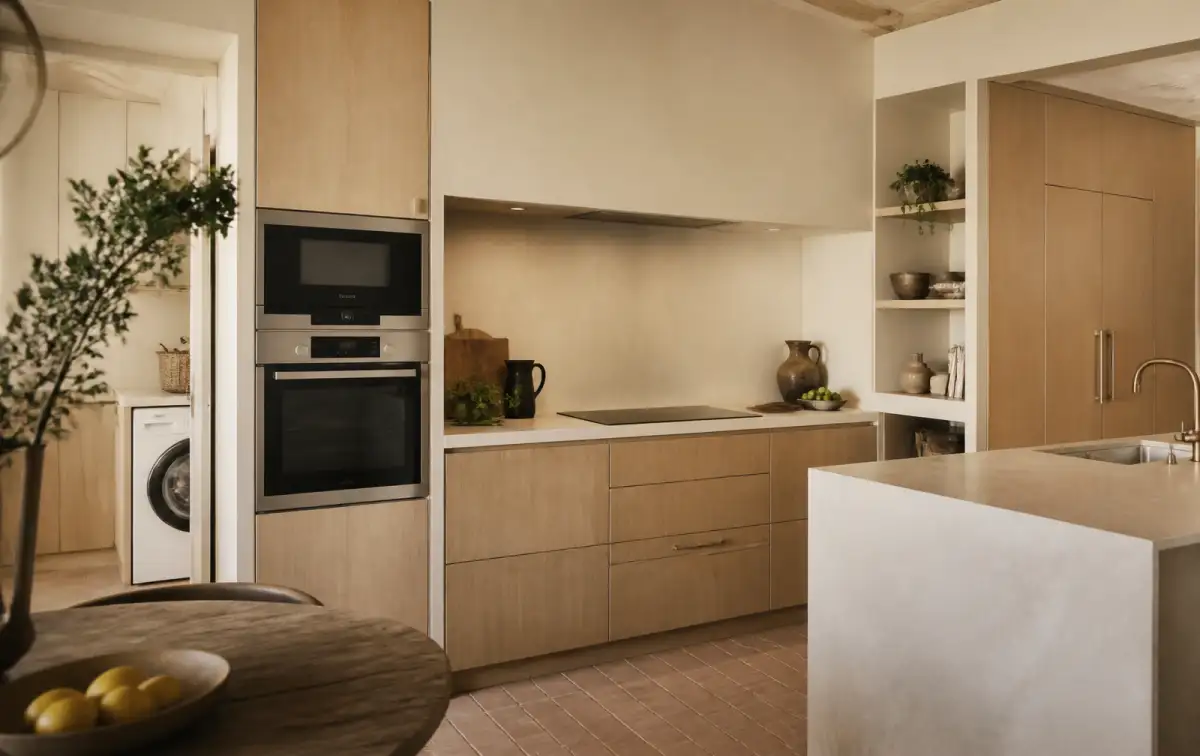
The single biggest cause of appliance delays on a fit-out isn't stock — it's a cabinet cut-out sized for the wrong model, or a ventilation duct that was never planned for the extraction unit chosen at the last minute. We cross-check the appliance schedule against your cabinet drawings before either is finalised, so the oven housing, hob cut-out and extraction ducting are correct from day one.
An appliance schedule that doesn't match the cabinet cut-outs is a delivery-day argument. We check the two against each other before either is ordered.
Residential kitchens get a coordinated set matched in finish and control style; hotels, serviced apartments and developer projects get volume-priced schedules across dozens of identical units, with a single point of contact for warranty and service instead of chasing several manufacturers separately.
Built-in ovens, hobs, extraction, fridges and dishwashers are quoted as one schedule matched to your joinery drawings, so the cut-outs are right the first time and delivery lands on your fit-out date, not after it.
Cabinet aperture, worktop thickness and clearance are confirmed against the exact model, so the unit fits on delivery day instead of coming back.
Cut-out verified against the model before dispatch
Hobs, ovens and laundry equipment are specified against the actual supply on site, avoiding a delivered unit that needs a different connection.
Electrical/gas supply confirmed before order
Hotels and developments order identical units across floors or buildings, phased against the construction programme.
Multi-unit orders phased to your build schedule
Class A and A+ references pulled up where a BREEAM, energy certificate or hotel sustainability target requires it.
Energy class matched to certification needs
Single, double and combi-steam ovens in 60 cm and 90 cm widths, pyrolytic and standard cleaning
Induction, ceramic and gas hobs in 60–90 cm widths, including flush and downdraft systems
Chimney, island, downdraft and integrated hoods matched to hob width and duct route
Built-in and freestanding fridges, integrated columns and wine coolers for kitchens and back-of-house
Fully integrated, semi-integrated and freestanding, 45 cm and 60 cm, standard and quiet-cycle
Freestanding and built-in washing machines and dryers for apartments, laundries and hotel back-of-house
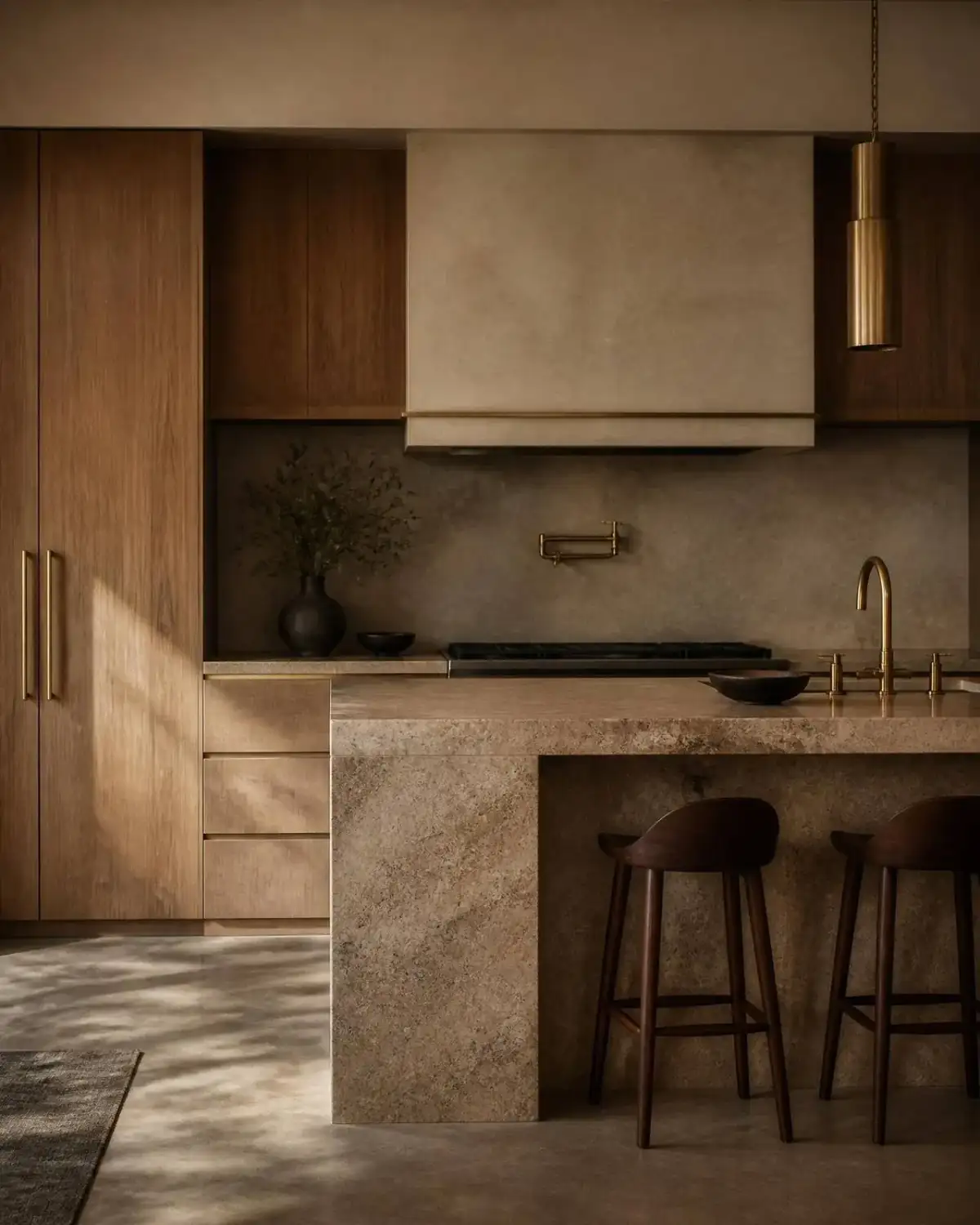
Built-in ovens, induction hobs and extraction hoods are specified together in one control finish and checked against the cabinet cut-out dimensions before the joinery is cut, avoiding the on-site surprise of a hob that doesn't fit its housing.
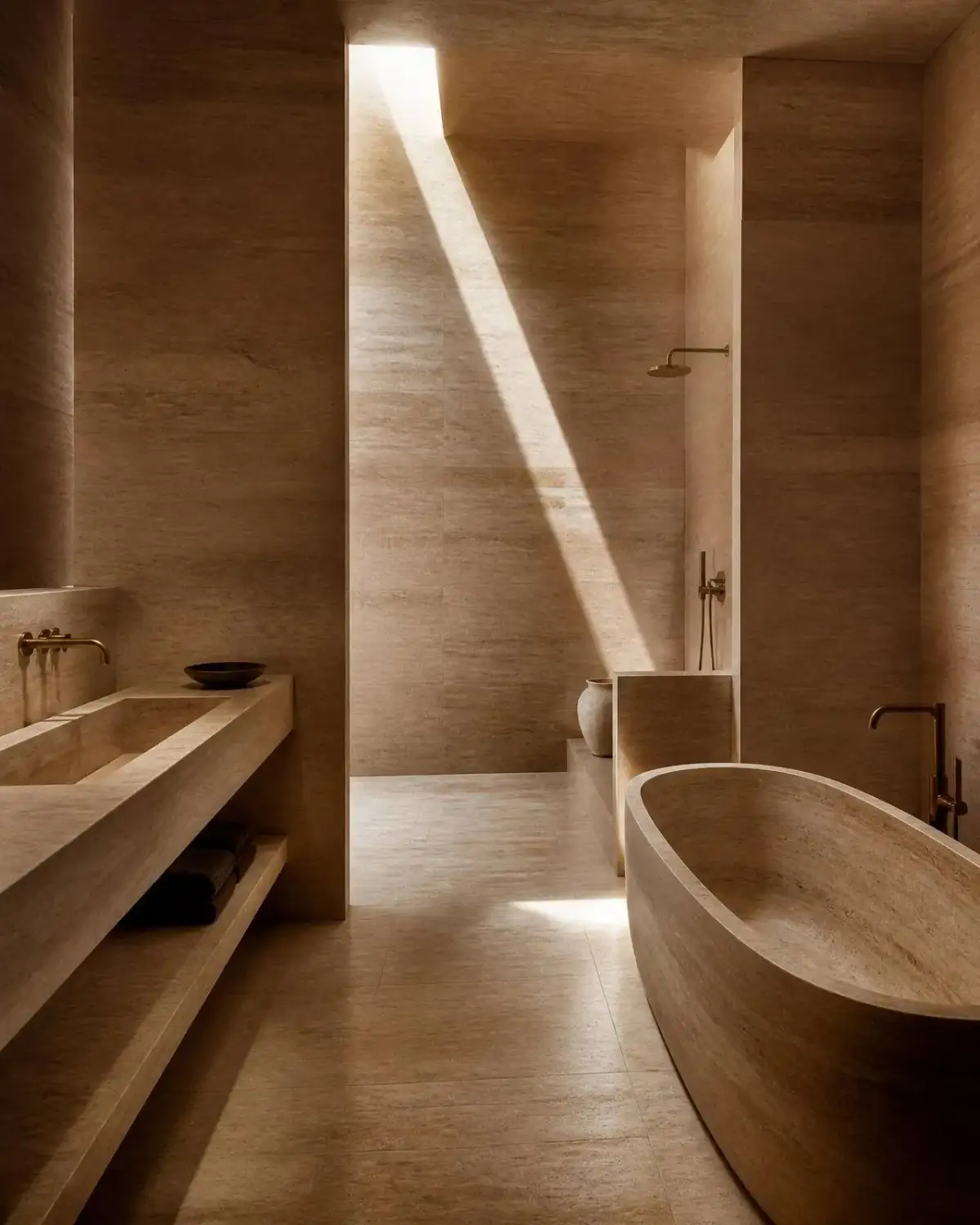
Washing machines, dryers and water heaters are specified against the actual utility space and plumbing available, with stacking or side-by-side options quoted depending on room size rather than assumed.

Compact kitchenette appliances for serviced apartments and hotel suites are quoted at volume across the full room count, with one warranty and service contact instead of managing multiple manufacturer relationships across a large project.
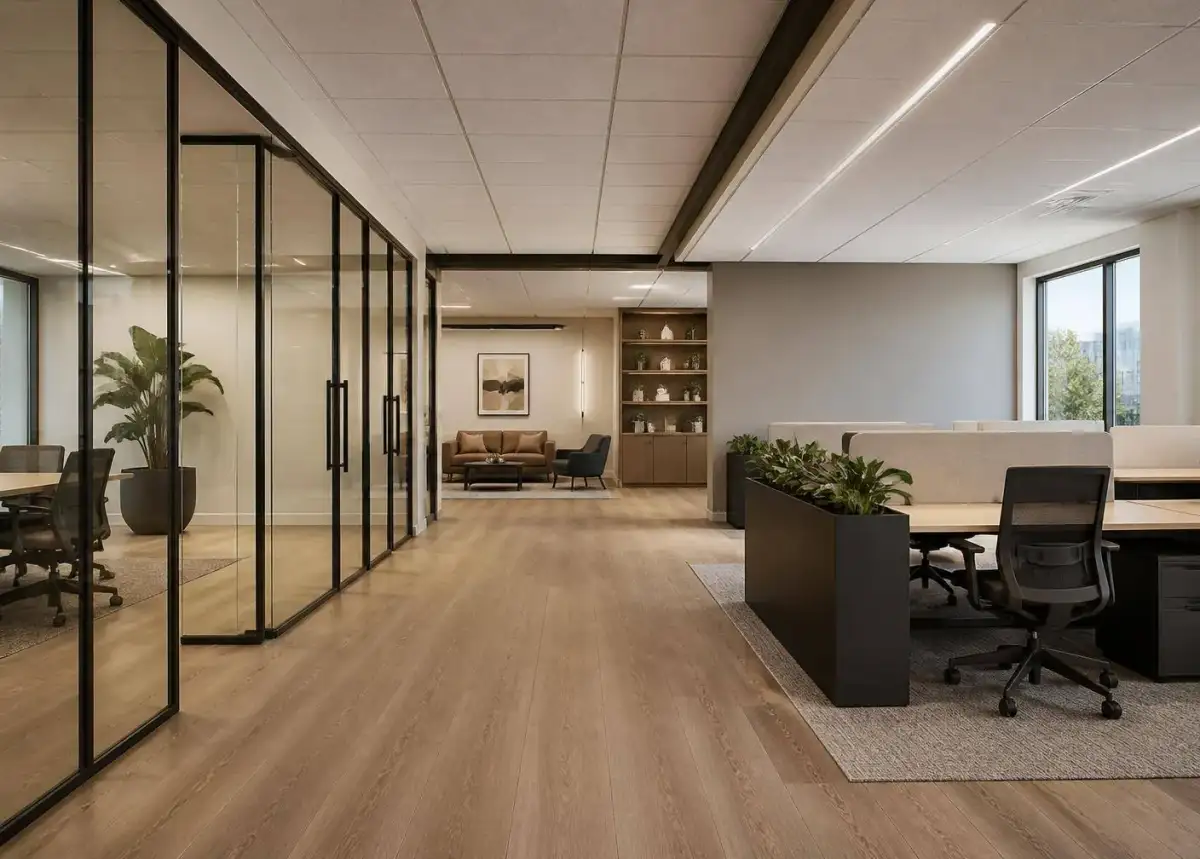
Developers get one appliance spec repeated identically across every unit type, simplifying the sales and handover documentation, with staggered delivery matched to each block's completion date.
Built-inovens,hobs,hoods,fridges,dishwashersandwashingmachines,includingprojectquantities.
Oven and hob housings are cut to the appliance's exact dimensions — we confirm the model before the cabinets go to the saw, not after.
A powerful hood needs a duct route to outside air — this needs deciding at design stage, not once the ceiling is closed.
A higher-rated appliance can cost more upfront but less over ten years of daily use — we quote both figures side by side.
Induction hobs draw more current than gas or ceramic — we check your consumer unit capacity before the order is placed.
This changes the utility room's cabinet plan, so it needs settling before the joinery is drawn, not after.
Hotels and developer projects save meaningfully by ordering the full appliance count together rather than phase by phase.
The cut-out is sized to a specific model's dimensions — changing the hob afterwards can mean recutting the worktop.
A hood with no route to outside air performs far below its rated extraction rate — this needs solving at design stage.
Cheaper units with higher failure rates cost more in maintenance call-outs across a large portfolio than a slightly higher upfront spec.
Representative selections from the catalog — indicative of what we quote, stock-source and deliver week to week. Ask for the full schedule with formats, finishes and current lead times.
01Single, double and combi-steam ovens in 60 cm and 90 cm widths, pyrolytic and standard cleaning
02Induction, ceramic and gas hobs in 60–90 cm widths, including flush and downdraft systems
03Chimney, island, downdraft and integrated hoods matched to hob width and duct route
04Built-in and freestanding fridges, integrated columns and wine coolers for kitchens and back-of-house
Built-in ovens, hobs, extraction, fridges and dishwashers are quoted as one schedule matched to your joinery drawings, so the cut-outs are right the first time and delivery lands on your fit-out date, not after it. This is the part most suppliers leave out: what we import, how white appliances should be specified before anyone prices it, where projects lose money, and what our 1–3 wks lead time actually covers.
Built-in kitchen appliances and freestanding laundry equipment for homes, and multi-unit quantities for hotels and rental developments — ovens, hobs, extraction, refrigeration, dishwashers and washing machines. Every reference is checked against the cabinet cut-out and the electrical or gas supply before it's confirmed, so installation day doesn't turn into a return.
Because we buy white appliances directly from the factories, the range you see is the range we can programme — not a catalogue we hope to source later. In practice that means built-in ovens, hobs and cooker hoods & extraction, each with its own price band and availability, so a specification can be tuned to a budget instead of abandoned.
Checked against the cut-out before it ships: cabinet aperture, worktop thickness and clearance are confirmed against the exact model, so the unit fits on delivery day instead of coming back.
An appliance schedule that doesn't match the cabinet cut-outs is a delivery-day argument. We check the two against each other before either is ordered.
Cabinet aperture, worktop thickness and clearance are confirmed against the exact model, so the unit fits on delivery day instead of coming back.
Hobs, ovens and laundry equipment are specified against the actual supply on site, avoiding a delivered unit that needs a different connection.
Hotels and developments order identical units across floors or buildings, phased against the construction programme.
Class A and A+ references pulled up where a BREEAM, energy certificate or hotel sustainability target requires it.
Specifying white appliances well comes down to a short list of decisions taken in the right order — check cut-out dimensions before the joinery is cut, plan extraction ducting early, compare energy rating against real running cost and confirm electrical load before ordering induction. Taken on paper, these cost nothing. Taken on site, each one is a change order.
We write the specification with you before anything is quoted, so the number you get is for the material that will actually be installed. That means confirmed dimensions and finishes, the right performance class for the space, and quantities that include the waste factor rather than discovering it mid-installation.
The same reference behaves differently depending on where it goes — kitchen renovations, new-build apartments, hotels and guesthouses, rental unit developments each carry their own requirements, and we specify against the space rather than against a mood image.
The exact cabinet opening size required for a specific built-in appliance model.
A cooktop that heats via electromagnetic induction directly into the pan, drawing significantly more current than gas.
A hood that filters and returns air to the room instead of ducting it outside, used where no duct route exists.
The EU efficiency scale used to compare running cost between appliance models.
Almost every delay we are called in to rescue traces back to the same handful of causes: ordering the hob after the cabinet is cut, skipping the extraction ducting plan, choosing appliances on price alone for a rental project and ignoring electrical load on induction hobs. None of them are exotic, and all of them are avoidable at specification stage.
Ordering the hob after the cabinet is cut is the most expensive one, because the cut-out is sized to a specific model's dimensions — changing the hob afterwards can mean recutting the worktop.
We have supplied white appliances into residential kitchens, utility & laundry and hotels & serviced apartments, and the pattern is consistent: the projects that run smoothly are the ones where the material was locked before the trades were booked.
Skipping the extraction ducting plan — checked once on paper, never again on site.
The cut-out is sized to a specific model's dimensions — changing the hob afterwards can mean recutting the worktop.
A hood with no route to outside air performs far below its rated extraction rate — this needs solving at design stage.
Cheaper units with higher failure rates cost more in maintenance call-outs across a large portfolio than a slightly higher upfront spec.
An underrated circuit trips repeatedly under a high-power induction hob — checked and sized correctly before installation.
Standard lead time on white appliances is 1–3 wks from confirmed specification, and that window covers the whole chain — factory programming, consolidation, transport, customs where applicable and delivery to site or to your warehouse. We quote the landed number, not an ex-works price that grows later.
Pricing is per project rather than per line. Because we import directly and consolidate white appliances with the rest of the materials for the same room, you get one quote, one delivery window and one point of contact — and the savings show up on the total, not just on a headline reference.
If you already have drawings, send them and we will come back with a specification and a landed price. If you do not, we will build the specification with you first. Either way, nothing is ordered until the quantities, finishes and dates are agreed in writing.
Send the cabinet cut-out dimensions or the kitchen drawing and we confirm the exact model against the aperture, worktop thickness and door clearance before confirming the order.
Yes, identical units are ordered in project quantities and phased for delivery against your construction or fit-out programme, floor by floor if needed.
Induction is faster to heat, easier to clean and doesn't need a gas connection, but requires suitable cookware and a higher electrical draw. Gas remains preferred in some professional kitchens. We quote both against your supply.
Yes, extraction capacity and duct route are checked against the hob size and the kitchen volume so the hood actually clears cooking odours rather than just making noise.
Standard manufacturer warranty applies to every unit, typically 2 years, with extended cover available on request for project quantities.
Yes, A to A+++ rated references are available across most categories and can be selected specifically to support a BREEAM, LEED or sustainability certification.
Materials from this category are usually specified for kitchen development and interior design projects. If your project needs installation as well as supply, we handle both together.