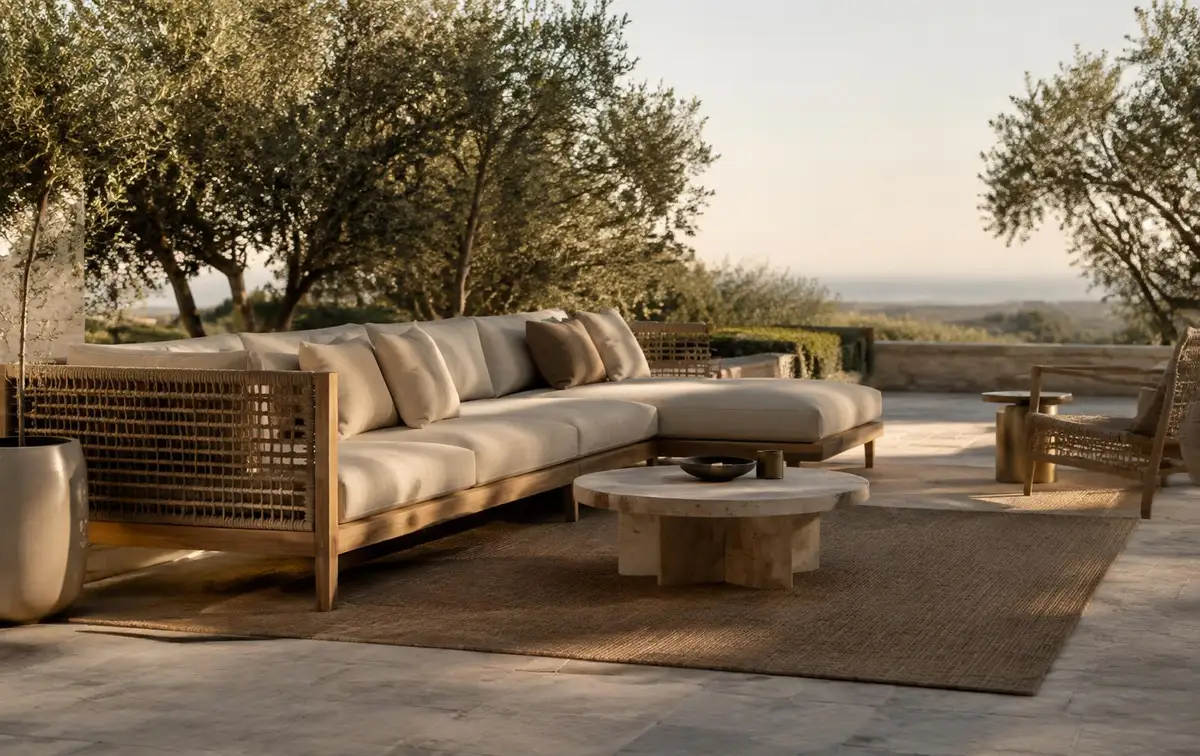
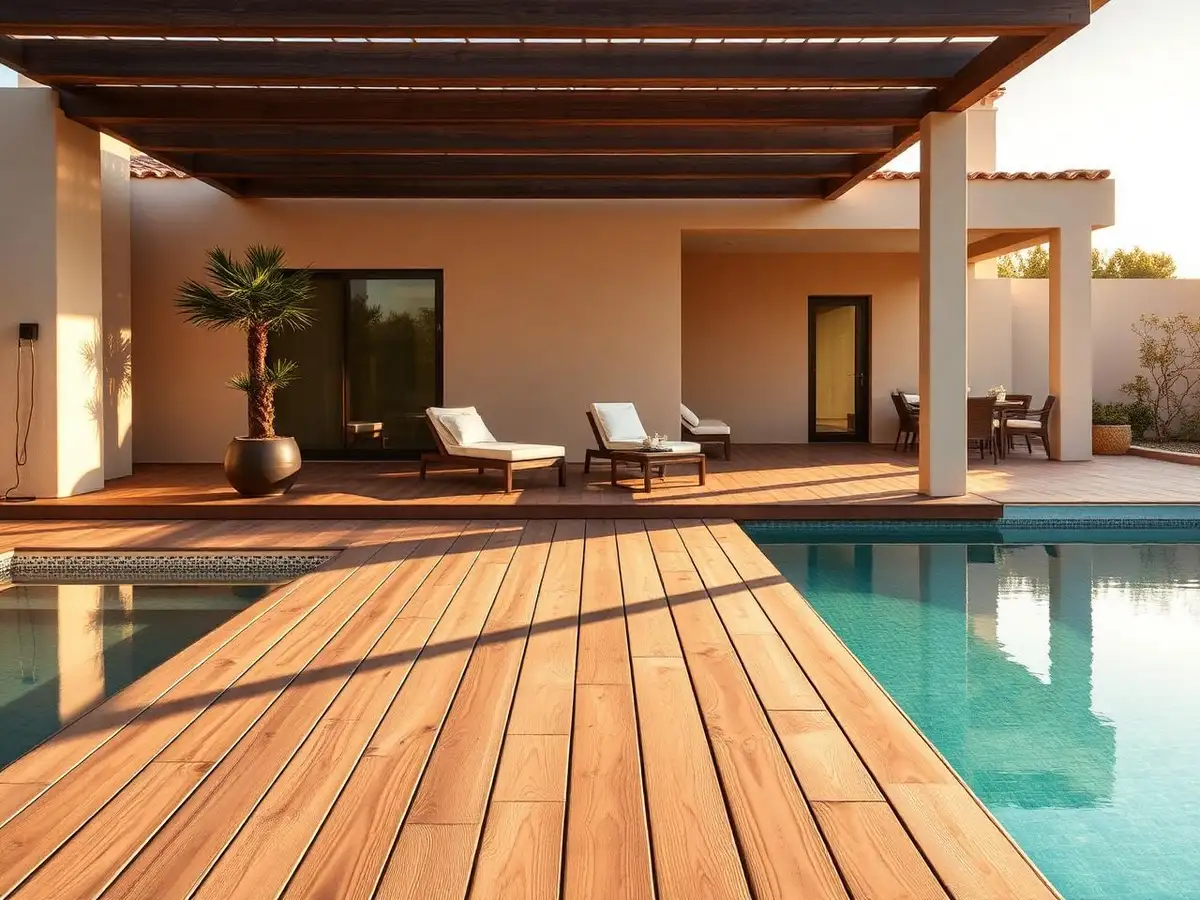
01 / 04
Openings agreed before the masonry
Cut-outs, clearances and combustible-material distances come from the equipment sheet, not from a guess on site.
Cut-out drawing before build
Gas and charcoal barbecues, built-in grills, outdoor cabinetry, sinks and worktops for homes and hospitality.
We supply outdoor cooking equipment and the cabinetry around it: freestanding and built-in gas grills, charcoal and pellet barbecues, side burners, pizza ovens, outdoor sinks, refrigeration, weather-resistant units and stone or porcelain worktops. Gas type, ventilation, water, drainage and power are settled on the drawing, so the terrace is built once and the equipment fits the opening it was planned for.
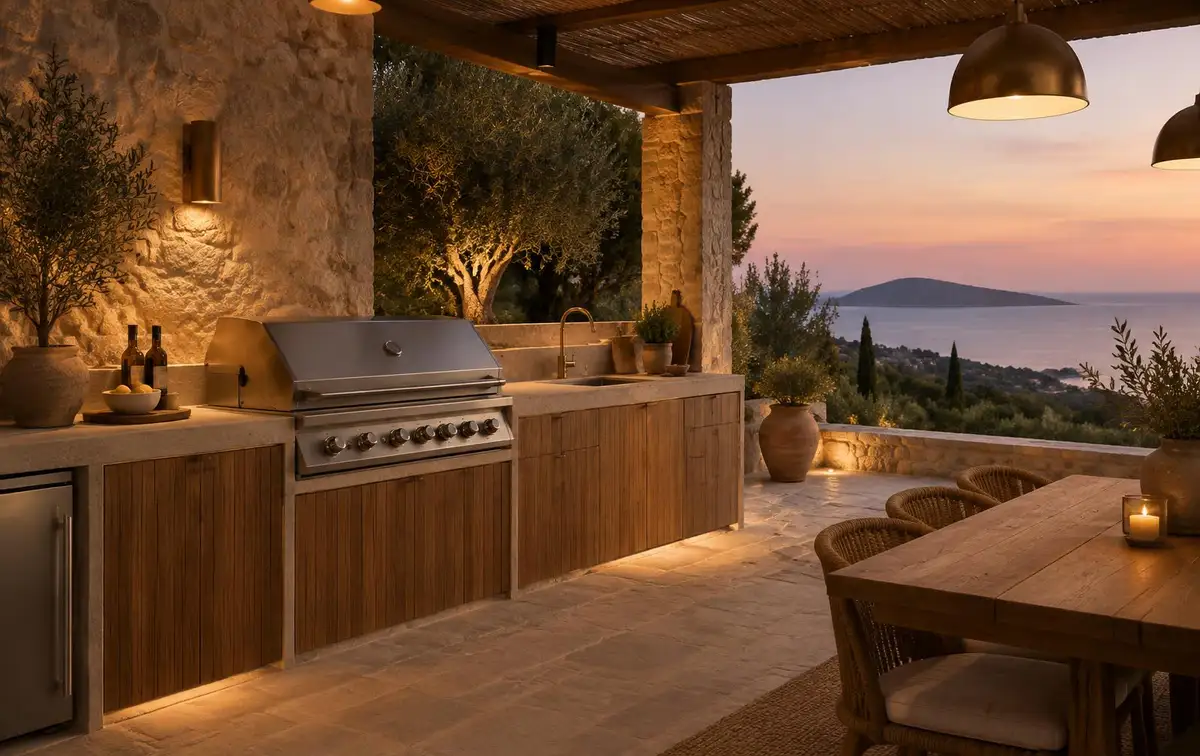
Cut-out sizes, clearances to combustible materials, gas type, ventilation and drainage all come from the equipment. Deciding the equipment after the masonry is a common and expensive reversal.

An outdoor kitchen is masonry — get the openings and services right first and the equipment simply drops in.
We fix the fuel, cooking volume and services first, then coordinate grills, cabinetry, sink, refrigeration and worktop into one order with cut-out drawings the builder can work from.
Equipment, cabinetry, worktop and service requirements are issued as one schedule, so the terrace is built once.
Cut-outs, clearances and combustible-material distances come from the equipment sheet, not from a guess on site.
Cut-out drawing before build
Bottled or mains gas, sink supply, drainage and sockets are resolved in one schedule with the installer.
Services schedule per unit
Marine-grade aluminium, stainless steel and outdoor-rated boards with hardware that survives salt and humidity.
Outdoor-rated hardware specified
Porcelain, granite or treated stone chosen for heat, staining and cleaning rather than showroom appearance.
Surface tested against heat and stains
An outdoor kitchen is assembled from four parts: the cooking equipment, the oven if you want one, the cabinetry that holds it all and the worktop that ties it together. The fuel and the grill decide the gas, ventilation and clearances; the oven decides the flue and the base; the cabinetry decides water and power points; the worktop is measured last, once the units stand in place.
A gas or charcoal barbecue gives you a terrace where cooking for friends is part of the evening, not a chore in a hot kitchen. Gas grills light instantly and hold steady heat for frequent use; charcoal gives smoke and searing heat for weekends. In the EU, gas barbecues fall under the Gas Appliances Regulation 2016/426 and are built for a stated gas category, so a grill for bottled LPG is not simply connected to natural gas. Built-in heads, freestanding trolleys, rotisseries and side burners can be combined in one run.
Choose a gas or charcoal grill when grilling is the main way you will cook outdoors.
Look at a wood-fired oven if bread, pizza and slow roasts matter more to you than grilled meat.
A wood-fired oven brings proper pizza, bread and slow-cooked dishes to the garden, and becomes a gathering point once lit. Its floor and dome are made of refractory material that stores heat and gives it back evenly, which is why the same oven bakes pizza in a couple of minutes and then roasts lamb for hours as it cools. Neapolitan pizza needs a floor well above 400 °C. Ovens come pre-assembled or as kits to be built in, and gas-fired versions heat up faster with less tending.
Choose a wood-fired oven when baking and slow cooking are the reason you want to cook outside.
Look at a gas grill if you need dinner on the table twenty minutes after deciding to cook.
Outdoor cabinetry gives the grill a proper kitchen around it, with storage, a sink and a cold drink within reach. Carcasses in stainless steel, powder-coated aluminium or compact laminate resist rain, sun and salt where indoor chipboard would swell within a season. Raised feet keep the base off wet paving and let water drain. Every socket and switch outside should be weatherproof, typically IP44 or higher, on a circuit protected by an RCD, and the sink needs a supply and waste planned before the slab is poured.
Choose outdoor cabinetry when the grill is permanent and you want to prepare and clear up outside too.
Look at a freestanding grill trolley if the barbecue needs to move or be stored indoors.
The right worktop makes an outdoor kitchen easy to cook on and to clean, and it is the surface everyone will see and touch. Porcelain slabs shrug off grease, wine and sun without sealing; granite is tougher against knocks and comes flamed or leathered for grip. Either must cope with thermal shock beside a grill, the stress of a hot dish on a cold top, and with full sun on dark stone. Thick-looking edges are usually built up by mitring a thinner slab, which saves weight on the cabinets.
Choose a stone or porcelain top when the outdoor kitchen is built in and must look as finished as the house.
Look at a stainless steel top if the kitchen serves a restaurant and hygiene inspections set the rules.

Grill, side burner, sink and refrigeration are laid out around how people actually cook and serve outside.

Rooftops restrict weight, gas storage and delivery routes, so freestanding or modular solutions often make more sense.
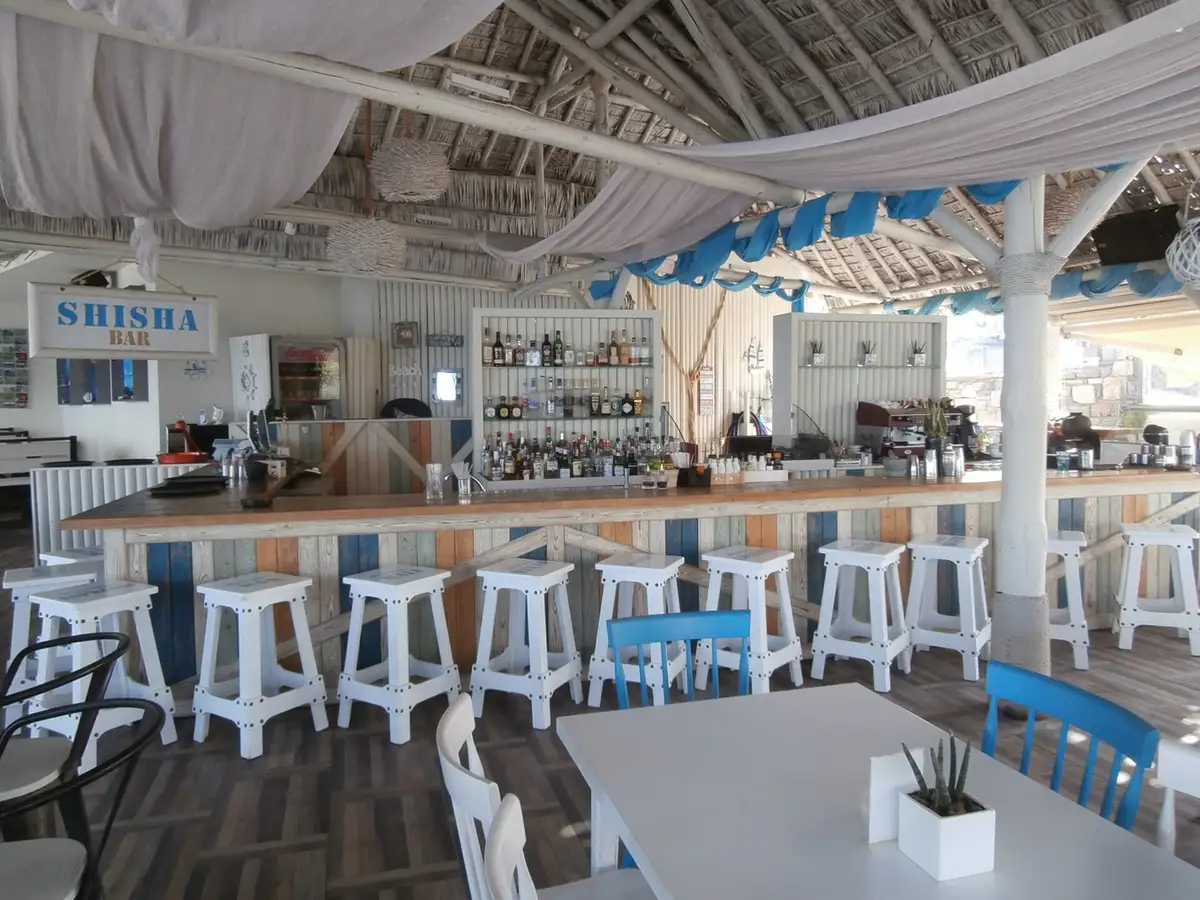
Continuous cooking, cleaning regimes and safety approvals define which appliances are appropriate.
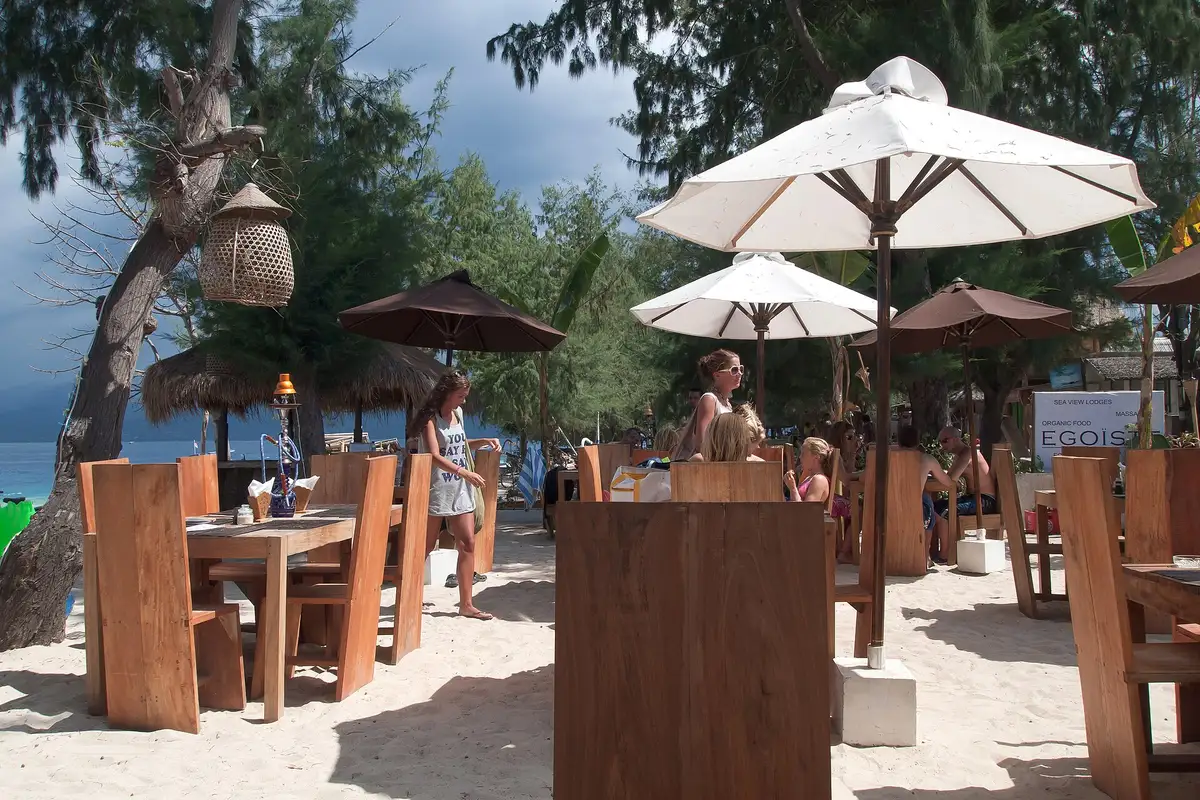
Sea-front venues eat hardware, so stainless grades, coatings and covers are part of the specification.
Gasandcharcoalbarbecues,built-ingrills,outdoorcabinetry,sinksandworktopsforhomesandhospitality.
Gas, charcoal or both changes ventilation, clearances and cabinetry layout.
Every model publishes its recess and clearance figures; build to those numbers.
An outdoor sink needs supply, waste and a winter shut-off, not just a hole in the worktop.
Indoor refrigeration and electrics fail quickly outside, especially near the sea.
Porcelain and granite behave differently on impact, staining and UV — pick deliberately.
Protection is what keeps stainless steel looking new after two summers.
The opening rarely matches the model chosen later, and masonry has to be cut.
Heat distances are a safety requirement, not a recommendation.
Boards swell and hinges corrode within a season in humid, salty air.
The cards show the figures each part of an outdoor kitchen is ordered by: burner count and gas type, oven size and fuel, carcass materials and the electrical protection outside, and the worktop thickness and finish. They are the details your builder and installer need before the masonry goes up.
 01€450–€6500 /unit
Burn off the grates after cooking and empty the grease tray before it fills. Check the gas hose and regulator each spring and replace them by the date printed on them.
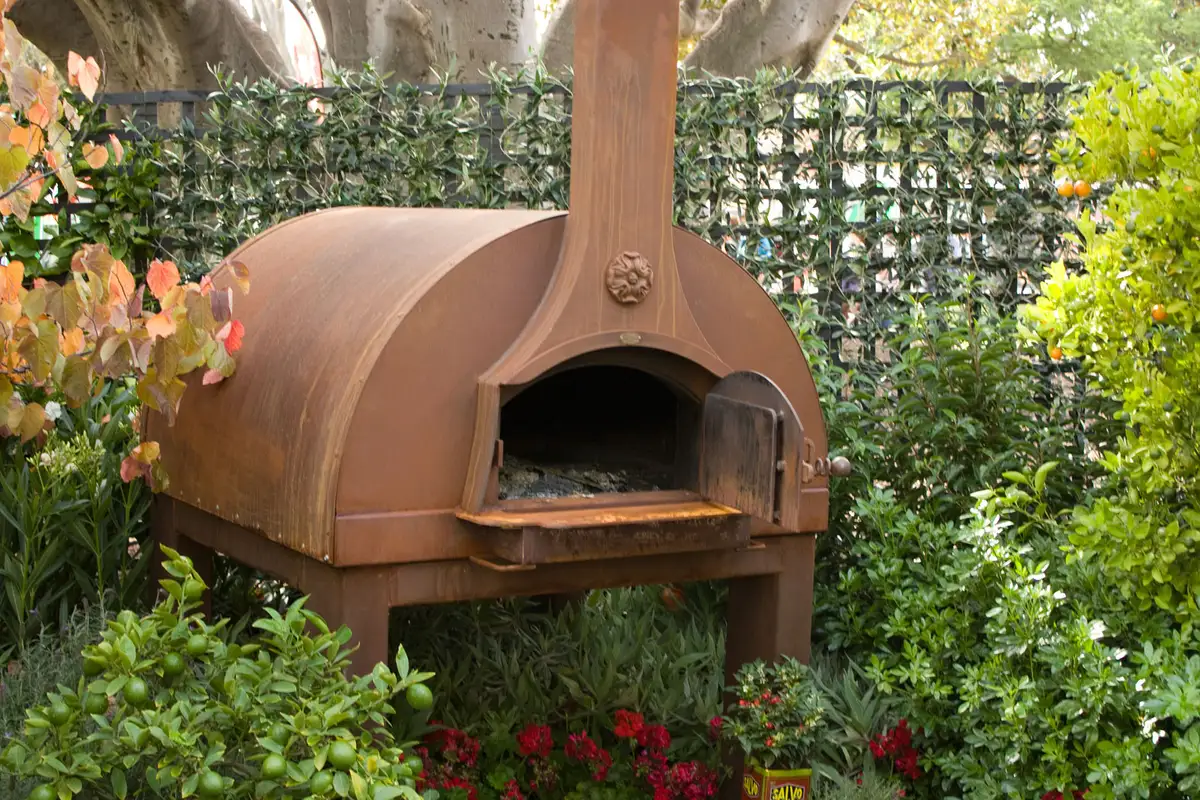 02€450–€6500 /unit
Cure a new oven with several small fires before the first full one, so the refractory dries without cracking. Brush out the ash once it is cold and keep the mouth covered in winter.
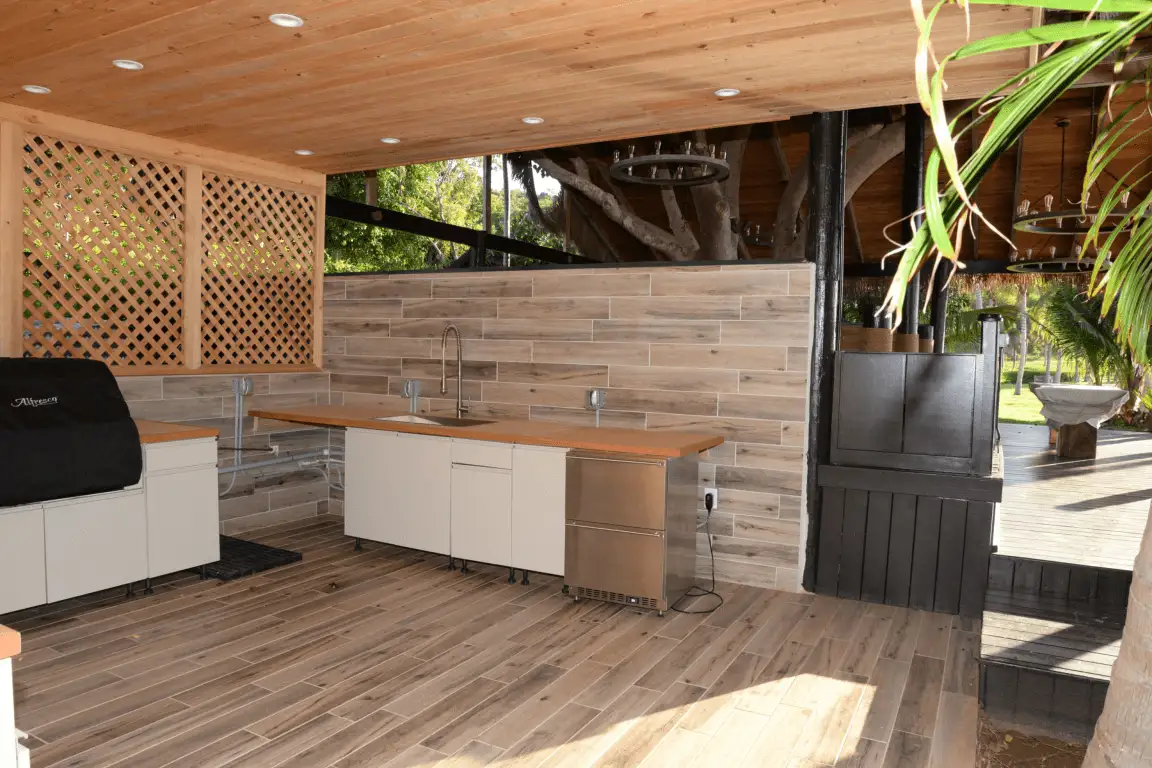 03€450–€6500 /unit
Wipe stainless fronts with a soft cloth along the grain and rinse off salt regularly. Drain the sink pipework before the first frost in mountain areas.
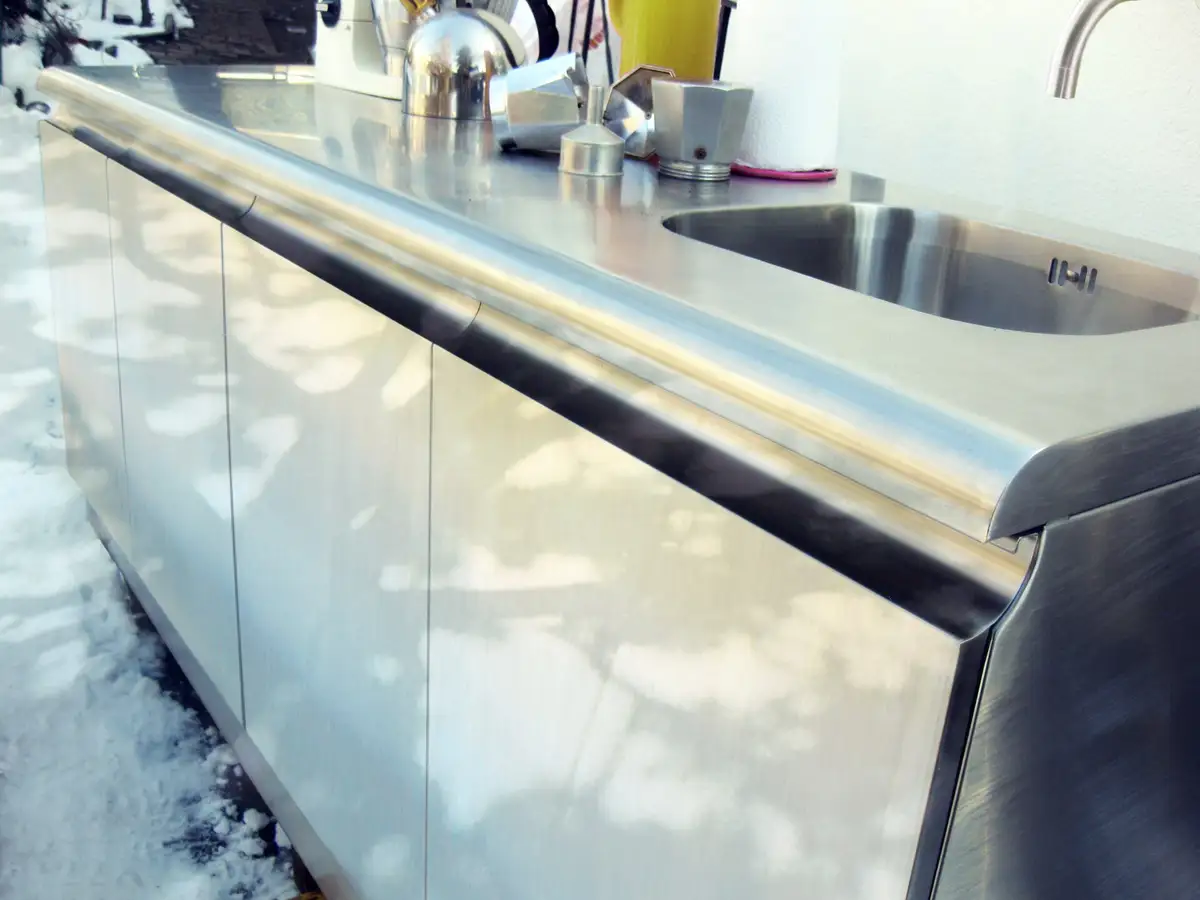 04€450–€6500 /unit
Impregnate granite before use and again when water stops beading. Never stand a hot grill lid or pan straight on the top; use a trivet.
Equipment, cabinetry, worktop and service requirements are issued as one schedule, so the terrace is built once. This is the part most suppliers leave out: what we import, how outdoor kitchens & BBQ should be specified before anyone prices it, where projects lose money, and what our 3–10 wks lead time actually covers.
We supply outdoor cooking equipment and the cabinetry around it: freestanding and built-in gas grills, charcoal and pellet barbecues, side burners, pizza ovens, outdoor sinks, refrigeration, weather-resistant units and stone or porcelain worktops. Gas type, ventilation, water, drainage and power are settled on the drawing, so the terrace is built once and the equipment fits the opening it was planned for.
Because we buy outdoor kitchens & BBQ directly from the factories, the range you see is the range we can programme — not a catalogue we hope to source later. In practice that means gas & charcoal barbecues, pizza & wood-fired ovens and outdoor cabinetry, each with its own price band and availability, so a specification can be tuned to a budget instead of abandoned.
Openings agreed before the masonry: cut-outs, clearances and combustible-material distances come from the equipment sheet, not from a guess on site.
An outdoor kitchen is masonry — get the openings and services right first and the equipment simply drops in.
Cut-outs, clearances and combustible-material distances come from the equipment sheet, not from a guess on site.
Bottled or mains gas, sink supply, drainage and sockets are resolved in one schedule with the installer.
Marine-grade aluminium, stainless steel and outdoor-rated boards with hardware that survives salt and humidity.
Porcelain, granite or treated stone chosen for heat, staining and cleaning rather than showroom appearance.
Specifying outdoor kitchens & BBQ well comes down to a short list of decisions taken in the right order — decide the fuel first, get the cut-out sheet before the masonry, plan water and drainage honestly, use outdoor-rated appliances. Taken on paper, these cost nothing. Taken on site, each one is a change order.
We write the specification with you before anything is quoted, so the number you get is for the material that will actually be installed. That means confirmed dimensions and finishes, the right performance class for the space, and quantities that include the waste factor rather than discovering it mid-installation.
The same reference behaves differently depending on where it goes — villas and holiday homes, roof terraces and gardens, hotels and resorts, restaurants and beach bars each carry their own requirements, and we specify against the space rather than against a mood image.
Grill or burner designed to be recessed into masonry or a cabinet with published cut-out sizes.
Minimum distance between heat source and flammable material, defined by the manufacturer.
Higher-alloy stainless steel with better corrosion resistance in salt-laden air.
Measuring the installed units before cutting the stone or porcelain worktop.
Almost every delay we are called in to rescue traces back to the same handful of causes: building the recess before choosing the grill, ignoring clearance to timber cladding, fitting indoor cabinetry outdoors and forgetting the drainage fall. None of them are exotic, and all of them are avoidable at specification stage.
Building the recess before choosing the grill is the most expensive one, because the opening rarely matches the model chosen later, and masonry has to be cut.
We have supplied outdoor kitchens & BBQ into villa terraces, roof gardens, hotels and resorts, and the pattern is consistent: the projects that run smoothly are the ones where the material was locked before the trades were booked.
Ignoring clearance to timber cladding — checked once on paper, never again on site.
The opening rarely matches the model chosen later, and masonry has to be cut.
Heat distances are a safety requirement, not a recommendation.
Boards swell and hinges corrode within a season in humid, salty air.
A sink or worktop with no fall traps water and stains the surface permanently.
Standard lead time on outdoor kitchens & BBQ is 3–10 wks from confirmed specification, and that window covers the whole chain — factory programming, consolidation, transport, customs where applicable and delivery to site or to your warehouse. We quote the landed number, not an ex-works price that grows later.
Pricing is per project rather than per line. Because we import directly and consolidate outdoor kitchens & BBQ with the rest of the materials for the same room, you get one quote, one delivery window and one point of contact — and the savings show up on the total, not just on a headline reference.
If you already have drawings, send them and we will come back with a specification and a landed price. If you do not, we will build the specification with you first. Either way, nothing is ordered until the quantities, finishes and dates are agreed in writing.
Gas suits frequent, quick cooking and hospitality service; charcoal and wood suit weekend use and flavour. Many projects install both, and the choice changes the ventilation and clearance requirements.
Each model publishes its own cut-out and distance to combustible materials. We issue those figures before the masonry so the recess is built to the right size.
Porcelain and granite both perform well. Porcelain resists staining and UV very predictably; granite is more forgiving on impact. Both need correct support and jointing.
Yes, provided water supply, drainage and a protected power circuit are planned. Outdoor-rated refrigeration is essential — indoor appliances fail quickly outside.
Yes. Commercial projects are specified for continuous service, cleaning access and the fuel supply approved for the site.
Covers and a shut-off routine extend equipment life considerably, especially near the sea. We include the covers and maintenance parts in the same order.
Materials from this category are usually specified for kitchen development and retail fit-out. We specify and supply every material the project needs; if you need installers, we can suggest partners you contract directly.