01 / 04
Shade outside the glass, not inside it
An external shutter or blind rejects solar gain before it enters. Internal curtains only manage heat that is already in the room.
External shading cuts cooling load at source
Aluminium roller shutters, motorisation, insect screens, awnings and external blinds.
Insulated aluminium roller shutters in built-in and surface boxes, tubular motors and smart controls, plisse and roller insect screens, cassette awnings and external venetian blinds. External shading stops solar gain at the glass, which is the cheapest cooling in a Greek summer — and the same shutter closes the building up out of season.

Curtains and blinds only manage glare — the heat has already got into the room by then. Shading fitted outside stops it before it enters, which is why a shuttered west-facing room in Athens stays comfortable through an August afternoon that would otherwise be unbearable.
Shading outside the glass is the cheapest air conditioning you'll ever buy — and it also closes the house when you're away.
Roller shutters do that job plus two more: security when you're away, and a real cut to noise from the street. Add insect screens for ventilation and awnings where the view has to stay open, and the whole facade becomes something you operate rather than just live with.
Shutters, screens, awnings and motors are made to your measured openings and delivered as one coordinated package with matching colours and controls.
An external shutter or blind rejects solar gain before it enters. Internal curtains only manage heat that is already in the room.
External shading cuts cooling load at source
Every shutter, screen and awning is fabricated to measured sizes, with the box type resolved against the lintel you actually have.
Made-to-measure from site dimensions
Tubular motors, radio remotes, wall switches and smart-home integration specified as one system, not bolted on later.
Motorisation and controls specified upfront
Marine anodising or seaside-class powder coating for seafront properties, plus stainless fixings.
Seaside-class coatings for coastal facades
Foam-filled slats in built-in, surface-mounted and monoblock insulated boxes
Tubular motors, obstacle detection, solar-powered options, remotes and smart-home modules
Plisse, roller, sliding and fixed frame screens in fibreglass and pet-resistant mesh
Full-cassette and semi-cassette folding-arm awnings, wind sensors, acrylic fabrics
Adjustable Z and C slat systems for controlled daylight on office and villa glazing
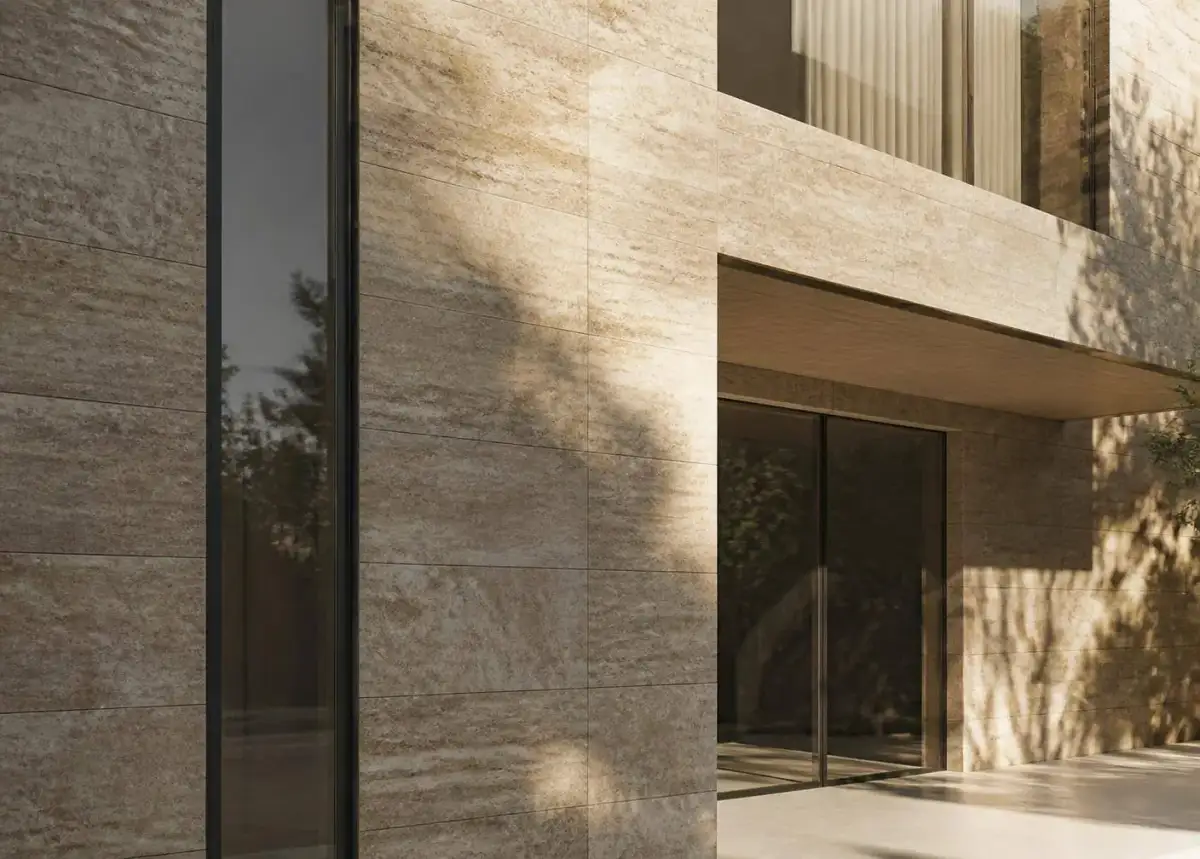
Motorised shutters on the hottest-facing windows, scheduled to close before the sun hits. The same shutters lock the ground floor down whenever the family is away.
Guests want a dark room and no mosquitoes with the balcony door open. Shutters give the blackout, screens handle the insects, and both are matched to your existing frames.
Awnings with automatic wind sensors extend the usable hours of a terrace and retract themselves before gusts cause damage. Where wind is a constant issue, we offer sturdier alternatives.
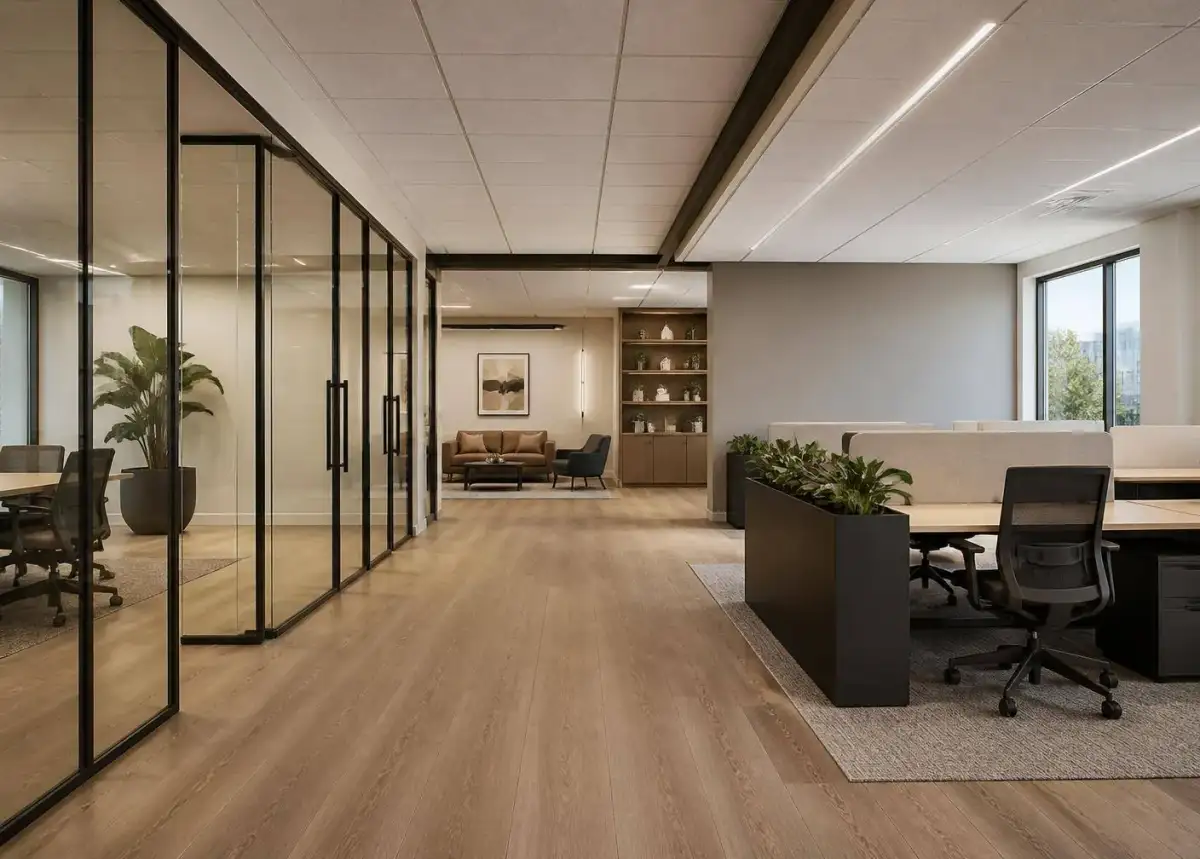
Glazed office and retail facades gain the same benefit as a home: shading fitted outside the glass stops heat before it enters, cutting the load on air conditioning through the working day, with motorised control grouped by facade so one switch manages a whole elevation.
Aluminiumrollershutters,motorisation,insectscreens,awningsandexternalblinds.
West, then south, then east — north-facing glass rarely justifies the cost on heat grounds alone.
Built-in and surface-mounted boxes need different depths — we measure before we choose.
A motorised shutter actually gets used every day, which is where the real saving comes from.
Roller screens for doors in daily use, fixed frames for windows that stay shut.
Marine-grade coatings and stainless fixings near the sea, standard specs inland.
By the time curtains help, the heat is already in the room — shading has to happen outside the glass.
An uninsulated box undoes some of your wall insulation — we always spec an insulated box.
One gust can bend the arms — not optional on an exposed terrace.
Representative selections from the catalog — indicative of what we quote, stock-source and deliver week to week. Ask for the full schedule with formats, finishes and current lead times.
01Foam-filled slats in built-in, surface-mounted and monoblock insulated boxes
02Tubular motors, obstacle detection, solar-powered options, remotes and smart-home modules
03Plisse, roller, sliding and fixed frame screens in fibreglass and pet-resistant mesh
04Full-cassette and semi-cassette folding-arm awnings, wind sensors, acrylic fabrics
Shutters, screens, awnings and motors are made to your measured openings and delivered as one coordinated package with matching colours and controls. This is the part most suppliers leave out: what we import, how roller shutters, awnings & screens should be specified before anyone prices it, where projects lose money, and what our 2–3 wks lead time actually covers.
Insulated aluminium roller shutters in built-in and surface boxes, tubular motors and smart controls, plisse and roller insect screens, cassette awnings and external venetian blinds. External shading stops solar gain at the glass, which is the cheapest cooling in a Greek summer — and the same shutter closes the building up out of season.
Because we buy roller shutters, awnings & screens directly from the factories, the range you see is the range we can programme — not a catalogue we hope to source later. In practice that means aluminium roller shutters, motorisation & controls and insect screens, each with its own price band and availability, so a specification can be tuned to a budget instead of abandoned.
Shade outside the glass, not inside it: an external shutter or blind rejects solar gain before it enters. Internal curtains only manage heat that is already in the room.
Shading outside the glass is the cheapest air conditioning you'll ever buy — and it also closes the house when you're away.
An external shutter or blind rejects solar gain before it enters. Internal curtains only manage heat that is already in the room.
Every shutter, screen and awning is fabricated to measured sizes, with the box type resolved against the lintel you actually have.
Tubular motors, radio remotes, wall switches and smart-home integration specified as one system, not bolted on later.
Marine anodising or seaside-class powder coating for seafront properties, plus stainless fixings.
Specifying roller shutters, awnings & screens well comes down to a short list of decisions taken in the right order — we prioritise the hottest-facing windows first, we check your wall before choosing a box type, we motorise anything above head height and screens are matched to how you use the opening. Taken on paper, these cost nothing. Taken on site, each one is a change order.
We write the specification with you before anything is quoted, so the number you get is for the material that will actually be installed. That means confirmed dimensions and finishes, the right performance class for the space, and quantities that include the waste factor rather than discovering it mid-installation.
The same reference behaves differently depending on where it goes — apartments and villas, hotel rooms and balconies, cafes and restaurant terraces, offices with large glazing each carry their own requirements, and we specify against the space rather than against a mood image.
A box built into the wall that avoids leaving a gap in your insulation.
A motor built into the shutter roller, with manual override if needed.
A screen that folds flat to one side, ideal for doors used every day.
A measure of how much solar heat passes through a shading or glazing system — lower is cooler.
Almost every delay we are called in to rescue traces back to the same handful of causes: relying on curtains for heat, ignoring the shutter box itself, buying an awning with no wind sensor and choosing screen mesh on price alone. None of them are exotic, and all of them are avoidable at specification stage.
Relying on curtains for heat is the most expensive one, because by the time curtains help, the heat is already in the room — shading has to happen outside the glass.
We have supplied roller shutters, awnings & screens into apartments & houses, hotels & rentals and terraces & hospitality, and the pattern is consistent: the projects that run smoothly are the ones where the material was locked before the trades were booked.
Ignoring the shutter box itself — checked once on paper, never again on site.
By the time curtains help, the heat is already in the room — shading has to happen outside the glass.
An uninsulated box undoes some of your wall insulation — we always spec an insulated box.
One gust can bend the arms — not optional on an exposed terrace.
Cheap mesh sags and tears fast — we use mesh built to last.
Standard lead time on roller shutters, awnings & screens is 2–3 wks from confirmed specification, and that window covers the whole chain — factory programming, consolidation, transport, customs where applicable and delivery to site or to your warehouse. We quote the landed number, not an ex-works price that grows later.
Pricing is per project rather than per line. Because we import directly and consolidate roller shutters, awnings & screens with the rest of the materials for the same room, you get one quote, one delivery window and one point of contact — and the savings show up on the total, not just on a headline reference.
If you already have drawings, send them and we will come back with a specification and a landed price. If you do not, we will build the specification with you first. Either way, nothing is ordered until the quantities, finishes and dates are agreed in writing.
Yes, and significantly on west and south glazing. Blocking the sun outside the glass removes most of the solar gain before it becomes heat the air conditioner has to remove.
New builds and full renovations take a built-in or monoblock insulated box, which hides the roll and limits thermal bridging. Retrofits usually take a surface box outside the opening, which is faster and cheaper.
On anything above a small window, yes. Tubular motors are inexpensive now, they extend the shutter's life compared with belts, and they allow scheduling and central closing of the whole house.
Plisse or roller screens for doors in daily use, because they retract fully; fixed frames only make sense on windows that stay shut. Pet mesh is worth it wherever a cat or dog uses the door.
Folding-arm awnings are typically wind class 2–3, which means they must be retracted in strong wind. A wind sensor closes them automatically and is cheaper than replacing arms.
Yes — colours are matched to the RAL or anodised finish of the joinery, and we confirm box and guide profiles against the frames before fabrication.
Materials from this category are usually specified for interior design projects and office fit-out. If your project needs installation as well as supply, we handle both together.