01 / 04
Details decide the outcome
Roofs don't leak in the middle, they leak at upstands, drains and pipe penetrations. Every detail gets a specified reinforced build-up.
Detail schedule for every project
Liquid polyurethane and acrylic membranes, cementitious slurries, bitumen sheets, tanking and every reinforced detail.
Waterproofing for roofs, terraces, bathrooms, basements, pools and planters: liquid-applied polyurethane and acrylic membranes, two-component cementitious slurries, torch-on bitumen sheets, crystalline tanking, plus the tapes, fillets, collars and reinforcing mesh that make details actually watertight.
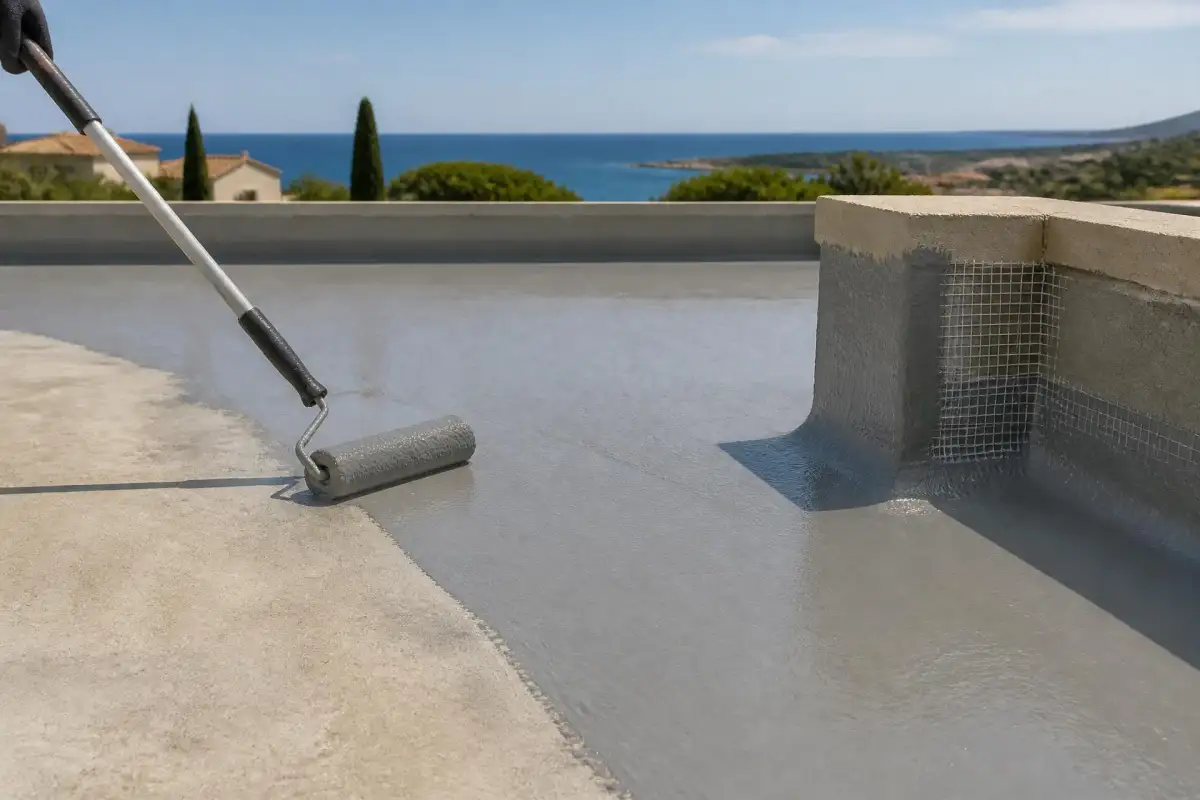
Every leak we've ever been called about started at a junction — a wall upstand, a drain, a pipe, a doorway. Those are exactly the places where a thin, unreinforced job gives up first. We reinforce every detail properly and include it in the price, not as an extra.
Roofs leak at upstands, drains and pipe penetrations. Get the details right and the rest takes care of itself.
The right product depends on the exposure. Sun-exposed terraces need a UV-stable membrane; tiled decks and bathrooms need a flexible coating under the tile; buried structures need a different answer again. Using one product everywhere is how the second leak arrives — we choose the right one for each area.
The membrane is chosen for your actual exposure, coordinated with whatever finish goes on top, and delivered with everything needed to make the details watertight.
Roofs don't leak in the middle, they leak at upstands, drains and pipe penetrations. Every detail gets a specified reinforced build-up.
Detail schedule for every project
Trafficked terrace, tiled bathroom, buried basement and pool shell need four different chemistries. We specify per case, not per habit.
Membrane matched to exposure and traffic
Tile-over slurries, UV-stable topcoats, protected sheets — the waterproofing is specified together with the finish above it.
Coordinated with the finish layer
Consumption per coat and mesh area calculated from the real surface, including upstands, so the order is complete first time.
Consumption per coat supplied
One and two-component PU, seamless, UV-stable, trafficable options
Elastomeric reflective coatings for existing terraces, cool-roof grades
Two-component flexible slurries for bathrooms, pools, tanks and tile-over decks
APP and SBS torch-on sheets, mineral-finished and aluminium-faced
Crystalline tanking, waterstops, sealing tapes, corner fillets, drain and pipe collars
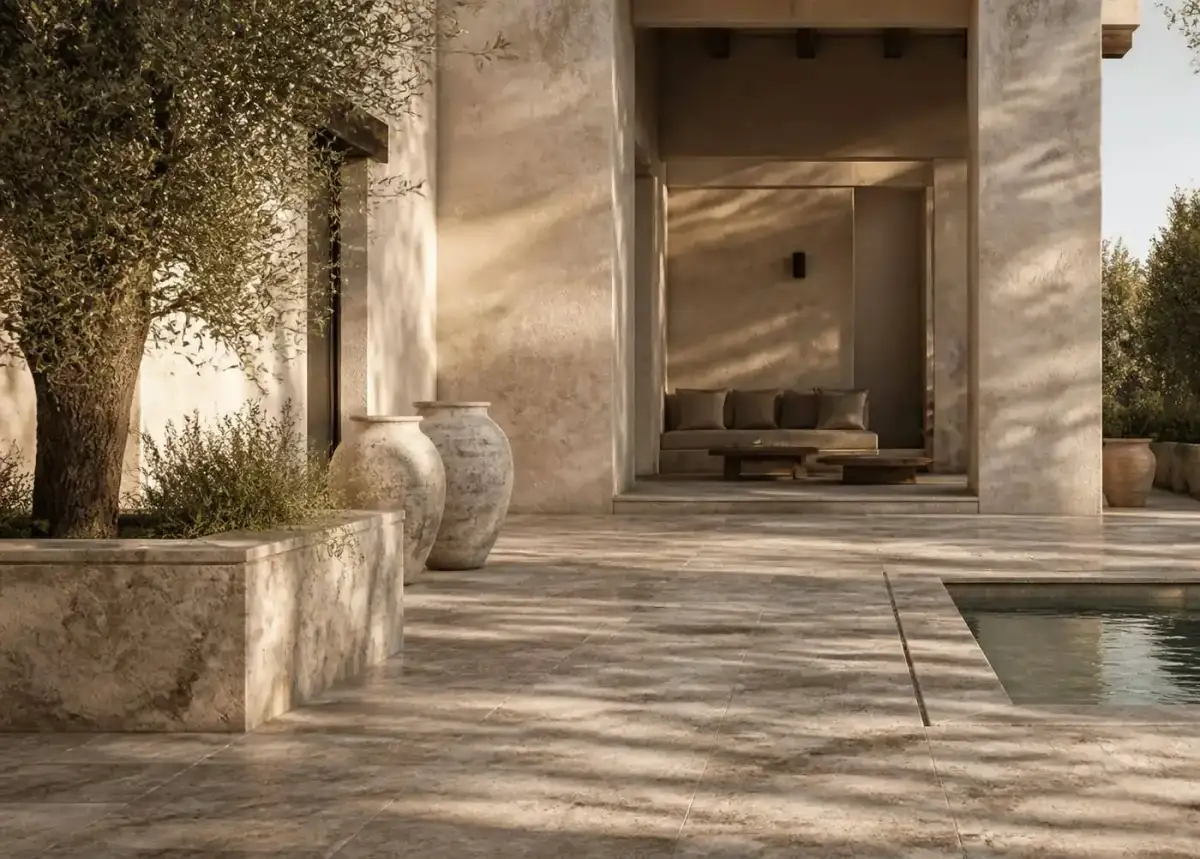
Drainage checked before the first coat goes on.
Standing water finds every weakness in a roof. We check falls and drains, reinforce the upstands, then apply a durable, UV-stable membrane — or a coating suited to tile going on top.
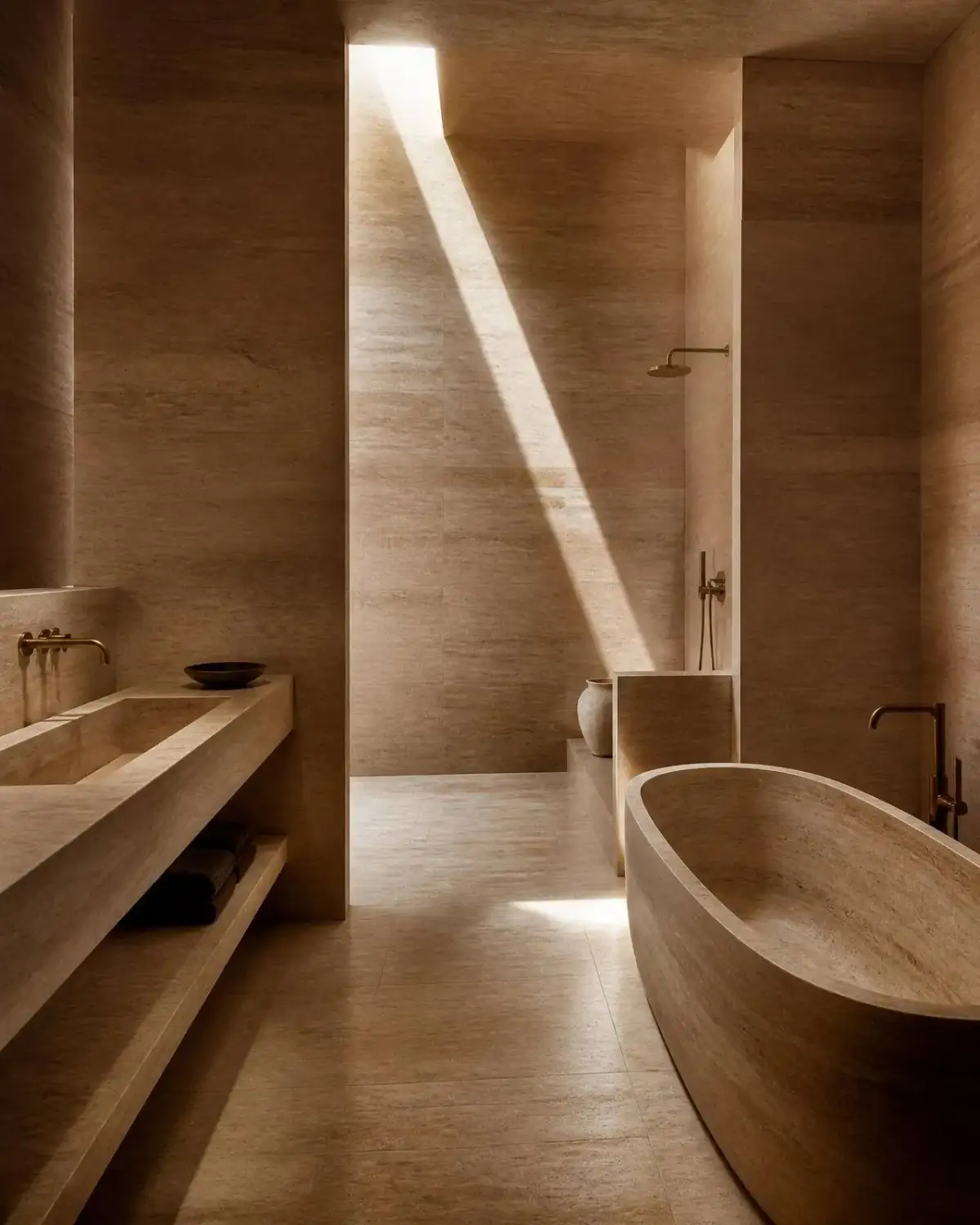
Tile is not waterproofing.
A proper sealing coat at every corner and pipe penetration, then tile on top. It costs a fraction of repairing the ceiling below when it's skipped.
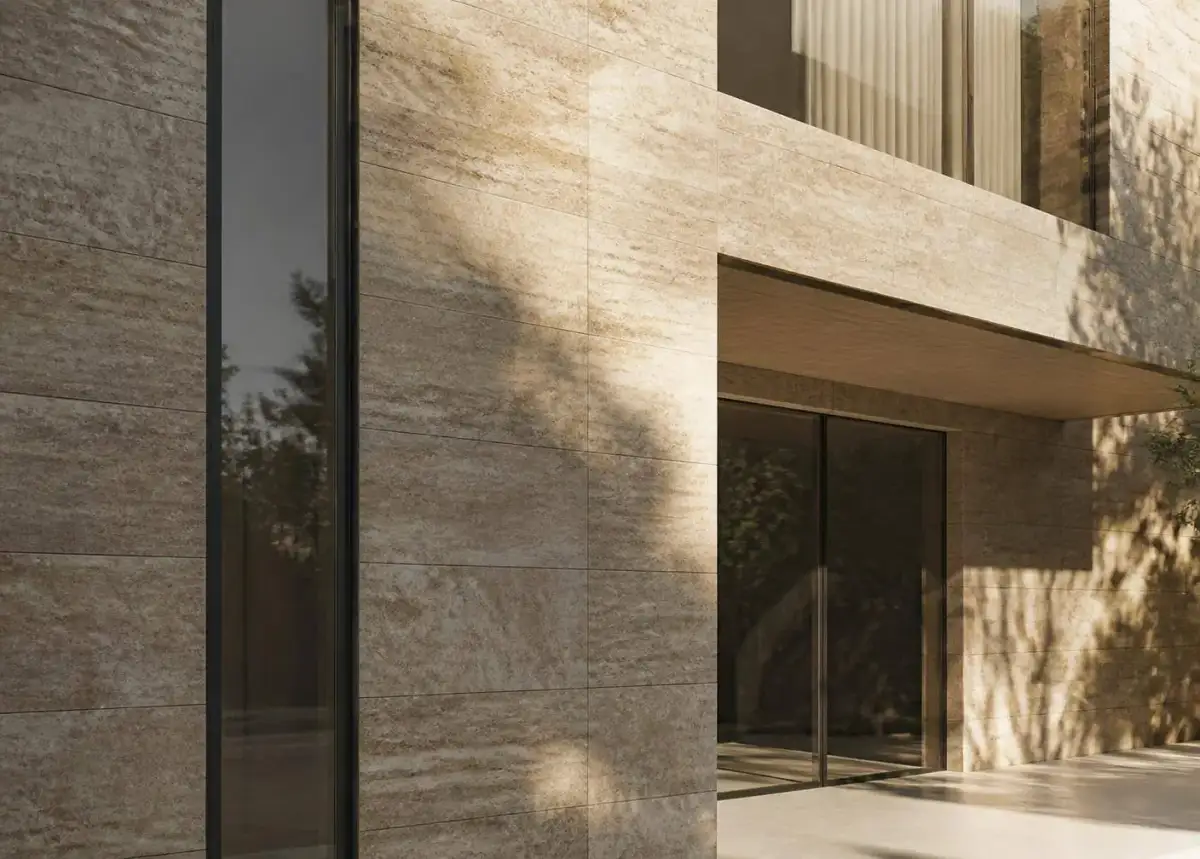
Water under pressure needs the right answer.
We choose the right system depending on whether we're working from inside or outside the structure, and use pool-grade sealing wherever chlorine or constant water contact is involved.
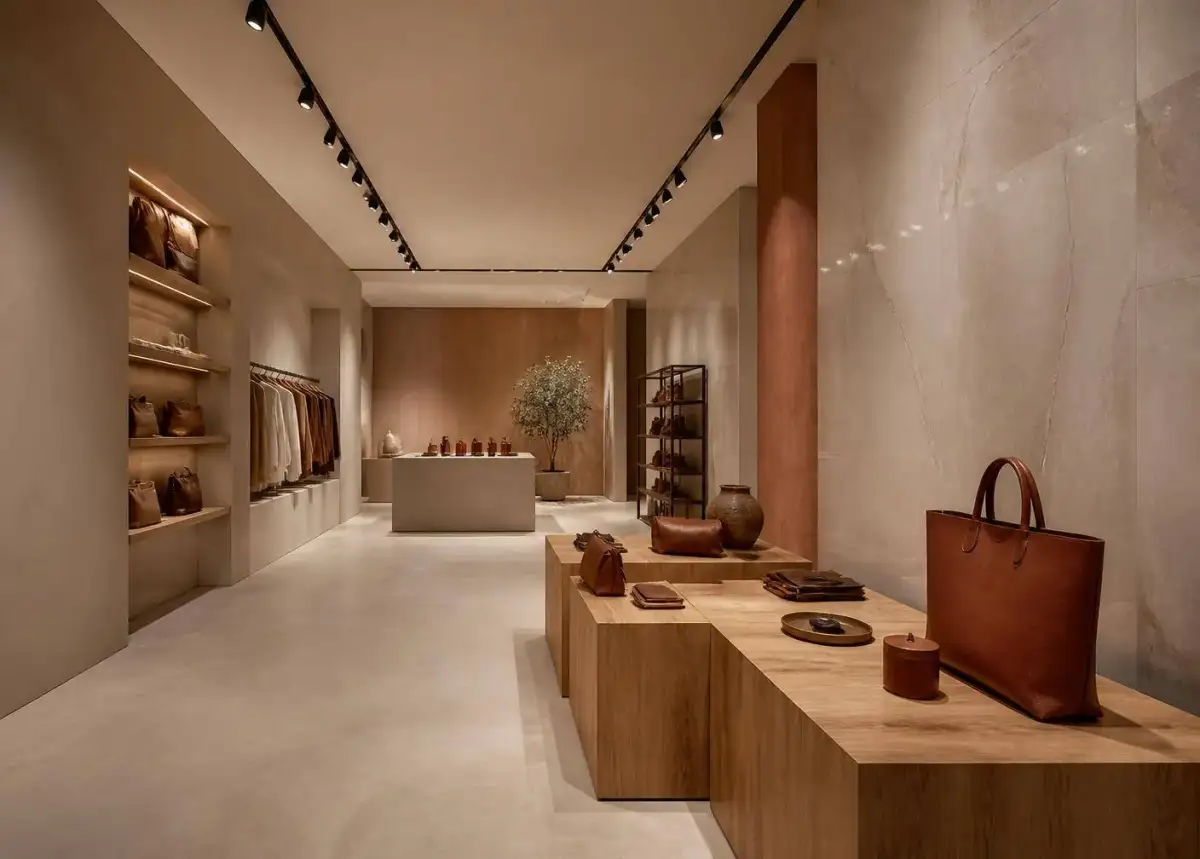
A roof that stays watertight over stock and stores.
A leak over a retail floor or a warehouse of stock is a much bigger cost than the roof itself. We plan access for plant and maintenance walkways into the membrane build-up, so the roof isn't damaged by the people who have to walk on it afterwards.
No membrane makes up for poor drainage — standing water shortens the life of every system.
Upstands, drains and pipe penetrations are where the budget belongs, not the flat field.
Tiled, walkable, planted or exposed — each needs its own product and protection.
Two thin coats are not the same as two full coats — we apply to the correct thickness, and it's measurable.
Coating over an old, unknown membrane without checking can mean the new layer never bonds — a costly way to find out. A small test patch on an inconspicuous area settles it before the roof is scaffolded and committed.
We always test compatibility first — a small test patch costs nothing next to a blistered roof.
A dusty, absorbent surface will drink the first coat and leave nothing to bond with.
The seal has to run above the finished floor and behind door thresholds — water goes up before it goes in.
Representative selections from the catalog — indicative of what we quote, stock-source and deliver week to week. Ask for the full schedule with formats, finishes and current lead times.
01One and two-component PU, seamless, UV-stable, trafficable options
02Elastomeric reflective coatings for existing terraces, cool-roof grades
03Two-component flexible slurries for bathrooms, pools, tanks and tile-over decks
04APP and SBS torch-on sheets, mineral-finished and aluminium-faced
The membrane is chosen for your actual exposure, coordinated with whatever finish goes on top, and delivered with everything needed to make the details watertight. This is the part most suppliers leave out: what we import, how waterproofing & sealing systems should be specified before anyone prices it, where projects lose money, and what our 2–5 days lead time actually covers.
Waterproofing for roofs, terraces, bathrooms, basements, pools and planters: liquid-applied polyurethane and acrylic membranes, two-component cementitious slurries, torch-on bitumen sheets, crystalline tanking, plus the tapes, fillets, collars and reinforcing mesh that make details actually watertight.
Because we buy waterproofing & sealing systems directly from the factories, the range you see is the range we can programme — not a catalogue we hope to source later. In practice that means liquid polyurethane membranes, acrylic roof coatings and cementitious slurries, each with its own price band and availability, so a specification can be tuned to a budget instead of abandoned.
Details decide the outcome: roofs don't leak in the middle, they leak at upstands, drains and pipe penetrations. Every detail gets a specified reinforced build-up.
Roofs leak at upstands, drains and pipe penetrations. Get the details right and the rest takes care of itself.
Roofs don't leak in the middle, they leak at upstands, drains and pipe penetrations. Every detail gets a specified reinforced build-up.
Trafficked terrace, tiled bathroom, buried basement and pool shell need four different chemistries. We specify per case, not per habit.
Tile-over slurries, UV-stable topcoats, protected sheets — the waterproofing is specified together with the finish above it.
Consumption per coat and mesh area calculated from the real surface, including upstands, so the order is complete first time.
Specifying waterproofing & sealing systems well comes down to a short list of decisions taken in the right order — fix the drainage first, reinforce every detail, match the system to what's on top and apply it properly. Taken on paper, these cost nothing. Taken on site, each one is a change order.
We write the specification with you before anything is quoted, so the number you get is for the material that will actually be installed. That means confirmed dimensions and finishes, the right performance class for the space, and quantities that include the waste factor rather than discovering it mid-installation.
The same reference behaves differently depending on where it goes — flat roofs and terraces, bathrooms and wet rooms, basements and retaining walls, pools and water tanks each carry their own requirements, and we specify against the space rather than against a mood image.
A seamless coating applied by roller or spray that cures in place.
A flexible coating used under tiles and in wet areas.
The vertical turn-up of the membrane at walls and thresholds.
Standing water left on a roof after rain — the single fastest way to age a membrane.
Almost every delay we are called in to rescue traces back to the same handful of causes: coating over unknown old layers, skipping the primer, stopping short at floor level and working in the wrong weather. None of them are exotic, and all of them are avoidable at specification stage.
Coating over unknown old layers is the most expensive one, because we always test compatibility first — a small test patch costs nothing next to a blistered roof.
We have supplied waterproofing & sealing systems into roofs & terraces, bathrooms & wet rooms and basements & pools, and the pattern is consistent: the projects that run smoothly are the ones where the material was locked before the trades were booked.
Skipping the primer — checked once on paper, never again on site.
We always test compatibility first — a small test patch costs nothing next to a blistered roof.
A dusty, absorbent surface will drink the first coat and leave nothing to bond with.
The seal has to run above the finished floor and behind door thresholds — water goes up before it goes in.
Rain or extreme heat during cure ruins even a correctly chosen system — we plan around it.
Standard lead time on waterproofing & sealing systems is 2–5 days from confirmed specification, and that window covers the whole chain — factory programming, consolidation, transport, customs where applicable and delivery to site or to your warehouse. We quote the landed number, not an ex-works price that grows later.
Pricing is per project rather than per line. Because we import directly and consolidate waterproofing & sealing systems with the rest of the materials for the same room, you get one quote, one delivery window and one point of contact — and the savings show up on the total, not just on a headline reference.
If you already have drawings, send them and we will come back with a specification and a landed price. If you do not, we will build the specification with you first. Either way, nothing is ordered until the quantities, finishes and dates are agreed in writing.
For an exposed terrace that stays visible, a two-coat liquid polyurethane membrane with mesh at every upstand and drain gives a seamless, UV-stable, walkable surface. If the terrace gets tiled, a flexible two-component cementitious slurry under the tile is the right system — plus a drainage-and-fall check before anything is applied.
A correctly specified and correctly applied polyurethane system with a maintained topcoat runs 10–15 years or more; refreshing the topcoat extends it. Most early failures are detail failures or thin application, not product failures — which is why we quote consumption per coat.
Sometimes — it depends what is down there. PU over sound PU works after cleaning and priming; PU over bitumen or over unknown coatings needs a compatibility test. We check before specifying, because incompatibility shows up as blisters.
Yes. Tile and grout are not waterproof. A two-component slurry with sealing tapes at corners, floor-wall junctions and pipe penetrations is what keeps water out of the neighbour's ceiling.
Buried structures need negative-side crystalline tanking or a positive-side membrane plus drainage, depending on access. We specify against the water table and the structure — a bathroom slurry is not a basement solution.
Materials from this category are usually specified for bathroom development projects. If your project needs installation as well as supply, we handle both together.
If something fails after installation — damp, a leak, cracking — our engineers inspect the work and find the cause, with a written finding you can take back to the contractor.