01 / 04
Cabling planned before the wall is closed
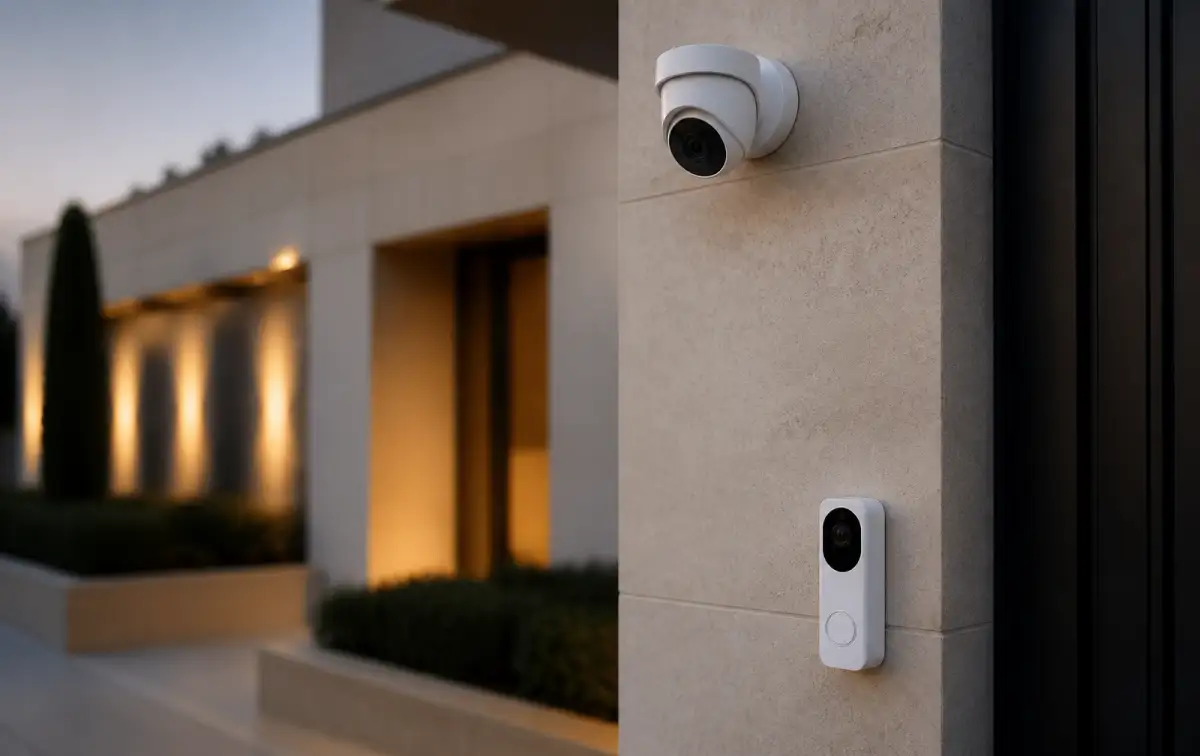
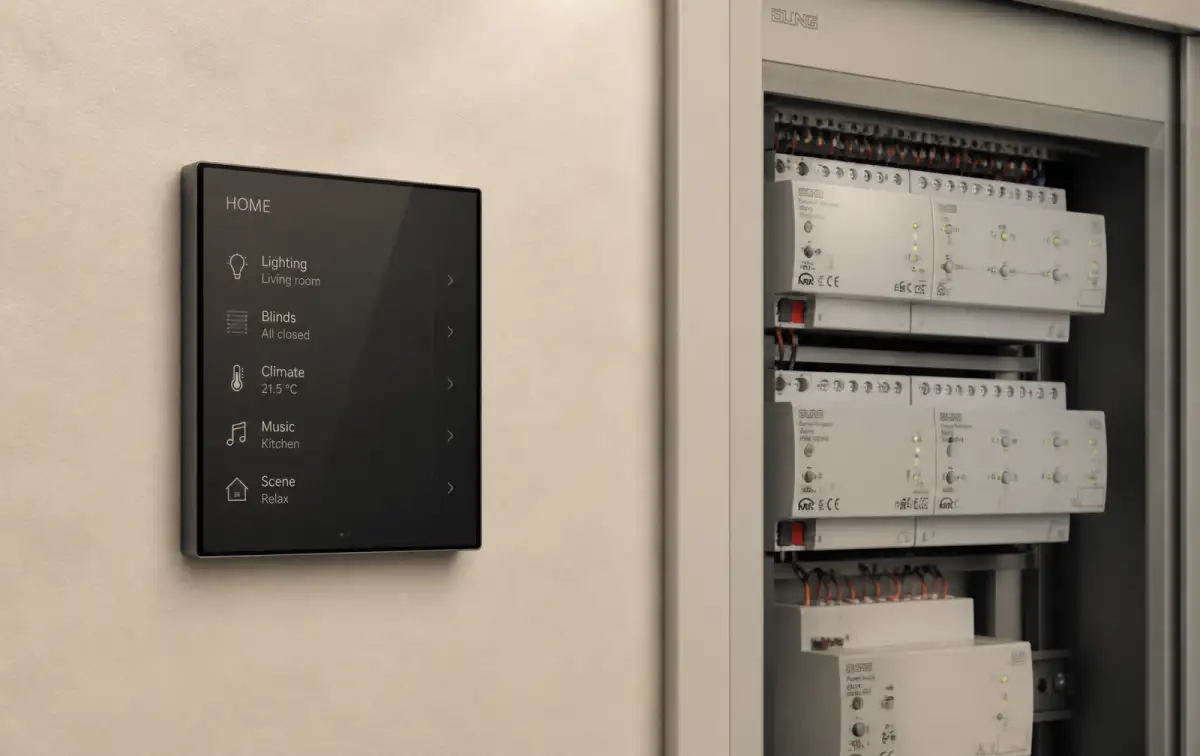
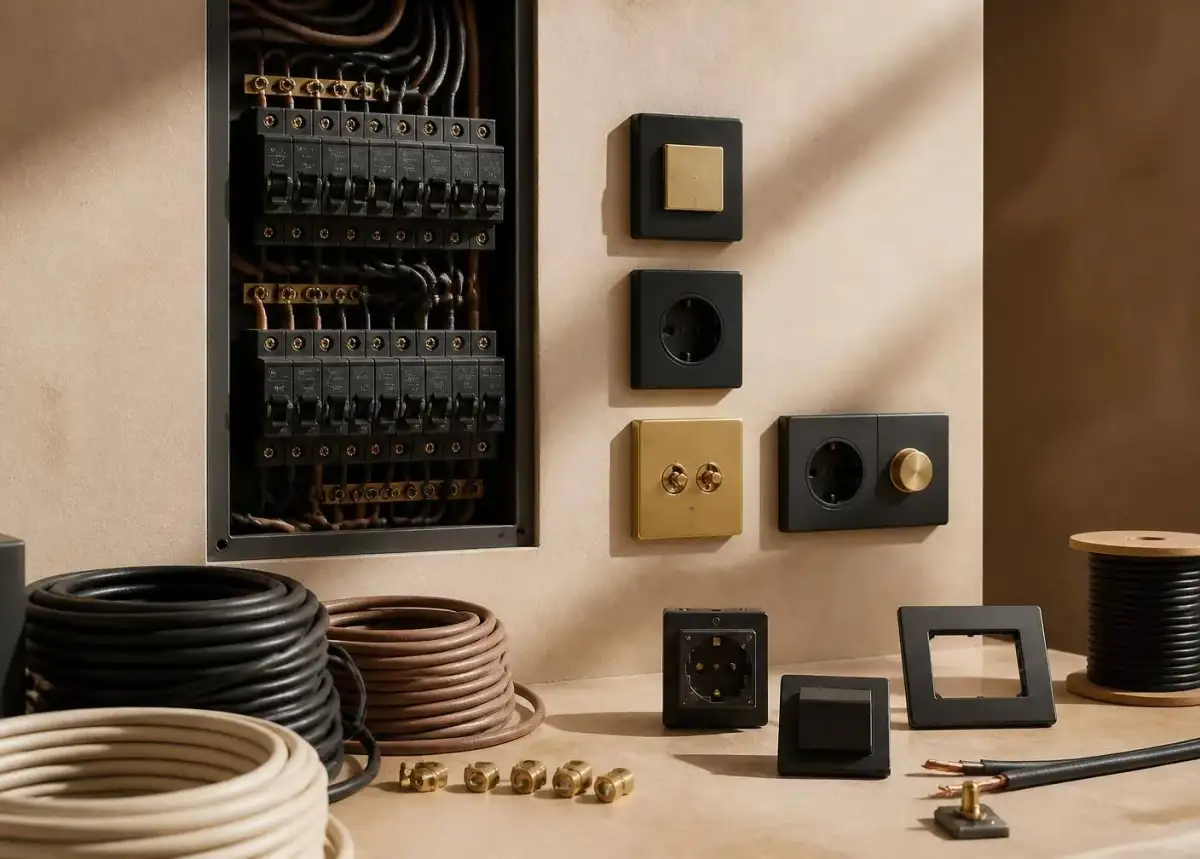
Power, HDMI and network routes are marked on the drawing before drywall or plaster closes the wall, so there's no surface trunking afterwards.
Cable routes agreed before the wall closes
OLED/QLED TVs, hotel-mode televisions, commercial displays, mounts, cabling and integration.
Televisions and displays for homes, hotels and commercial spaces — OLED and QLED panels, hotel-mode TVs with pro:centric or equivalent systems, commercial displays for reception and signage, plus the wall mounts, in-wall cabling and integration that make a screen disappear into the room instead of hanging off a bracket with visible cable.
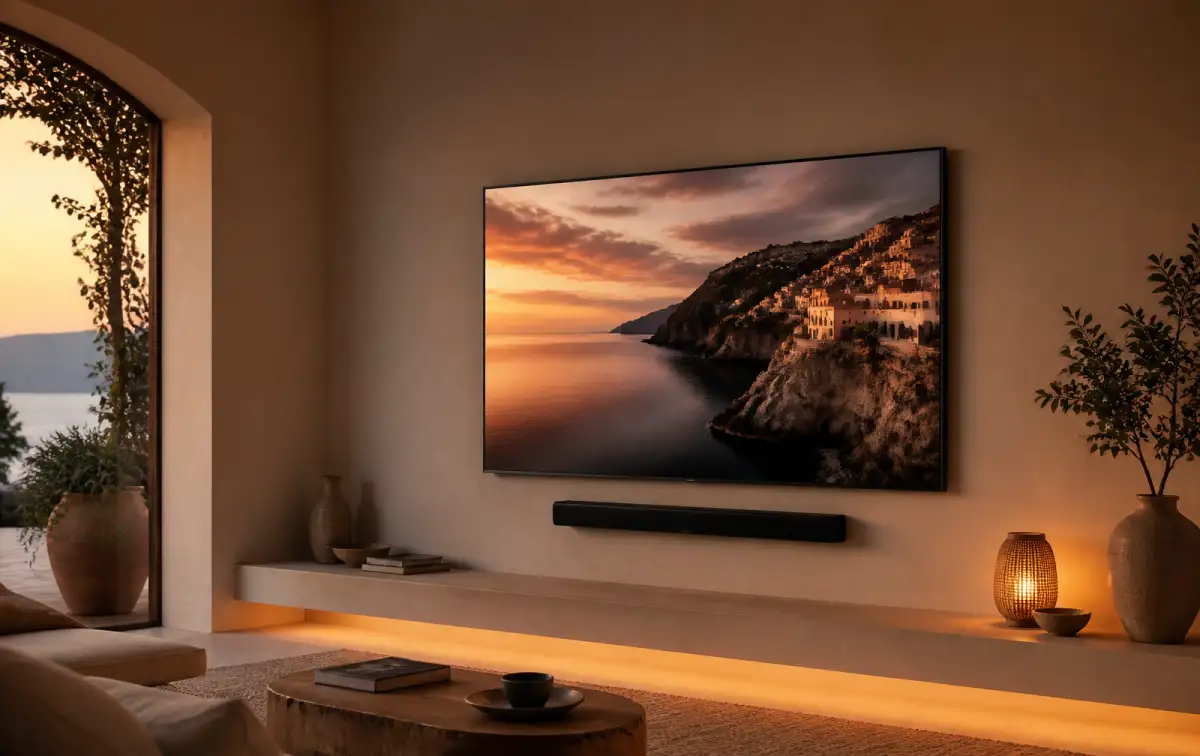
A television bought for a living room and installed in a hotel room causes real problems: no hospitality menu, no welcome screen, no way to lock out the settings menu from guests. We separate residential and commercial specification from the first conversation, so a hotel gets hotel-mode displays configured with the right content platform, and a home gets a display matched to the room's lighting and seating distance.
A hotel TV isn't a bigger version of a home TV. It's a different product with a different menu, and ordering the wrong one shows up on every guest review.
Every commercial order includes the integration work — content management, welcome messaging, channel lists and casting setup configured before the units ship, not left for hotel IT to figure out after checking in the first guest. Wall mounting, cable routing and bracket selection are specified against the actual wall and viewing distance for every install.
Residential displays and commercial hotel-mode TVs are quoted, configured and delivered as one schedule matched to your rooms or spaces, instead of a generic order that needs reconfiguring on site.
Power, HDMI and network routes are marked on the drawing before drywall or plaster closes the wall, so there's no surface trunking afterwards.
Cable routes agreed before the wall closes
VESA pattern, weight and wall substrate are checked together, so a plasterboard wall gets the right backing instead of a bracket pulling loose.
Mount and backing specified per wall type
Pro:centric or equivalent hospitality firmware, RF pass-through and welcome-screen branding built in, not a retail TV with a sticker.
Genuine hospitality firmware, not retail units
Identical models across a hotel or apartment block are ordered together and commissioned in one programmed visit per floor.
One commissioning pass per floor or building
43–85" residential panels with HDR, Dolby Vision and gaming-mode specifications
Hospitality TVs with pro:centric or equivalent systems, RF pass-through and channel branding
Large-format displays and video walls for reception, signage and meeting rooms
Fixed, tilt and full-motion mounts rated per screen weight and VESA pattern
In-wall HDMI, power and network kits with recessed boxes for a flush, cable-free finish
Universal remotes, casting systems and AV-over-IP for multi-room and hospitality setups
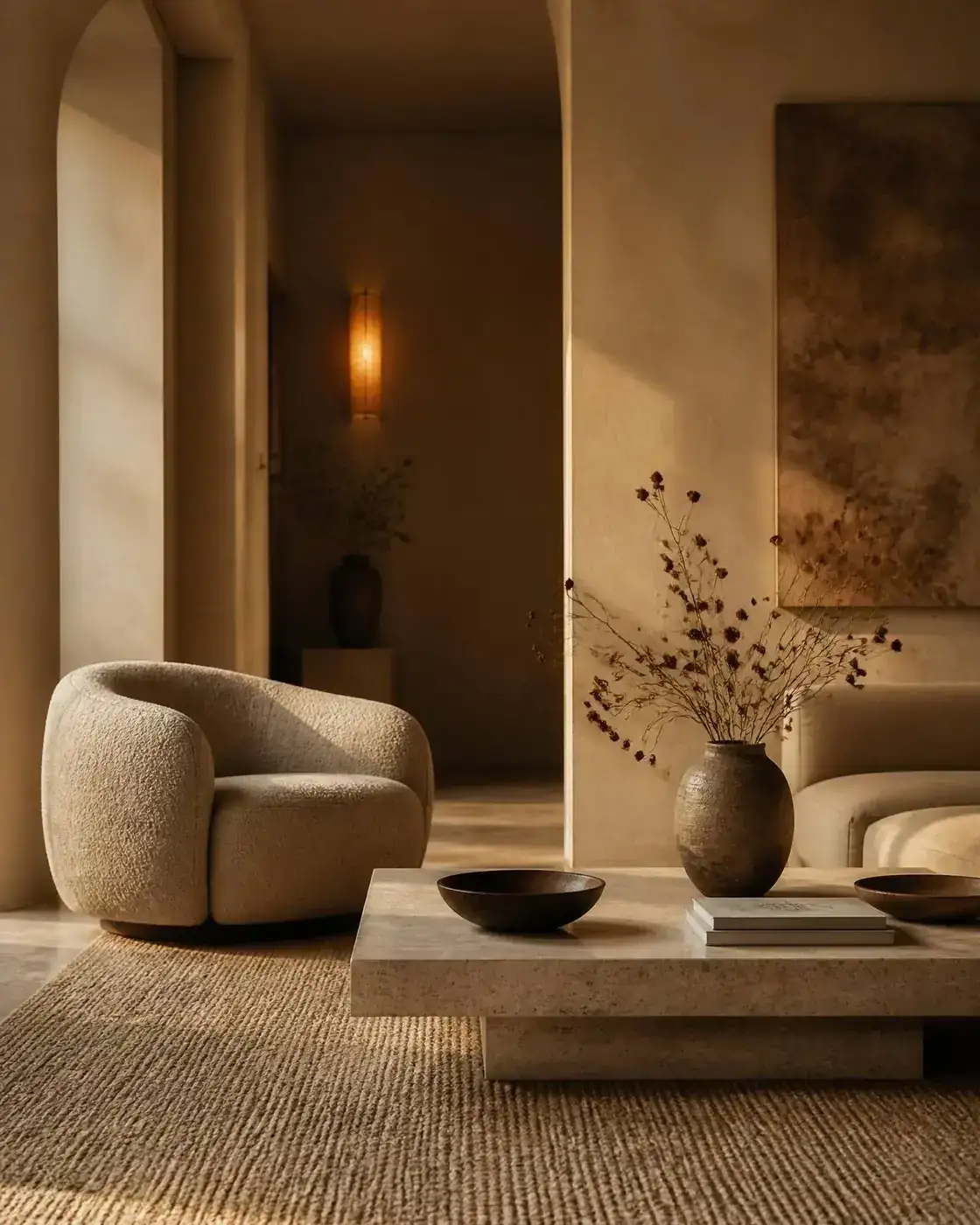
Screen size is calculated from actual seating distance rather than budget alone, with mounting bracket and cable routing planned against the real wall before installation, so there's no visible cable trailing down to a skirting board.
Commercial hospitality TVs are configured with the welcome screen, channel list and settings lockout before delivery, with casting and streaming access set up per your guest Wi-Fi system, so front-of-house isn't configuring a hundred units by hand.
Displays intended to run many hours a day get commercial-grade panels rated for continuous operation rather than domestic units rated for a few hours a day, with content sources and volume zoning specified as part of the install.
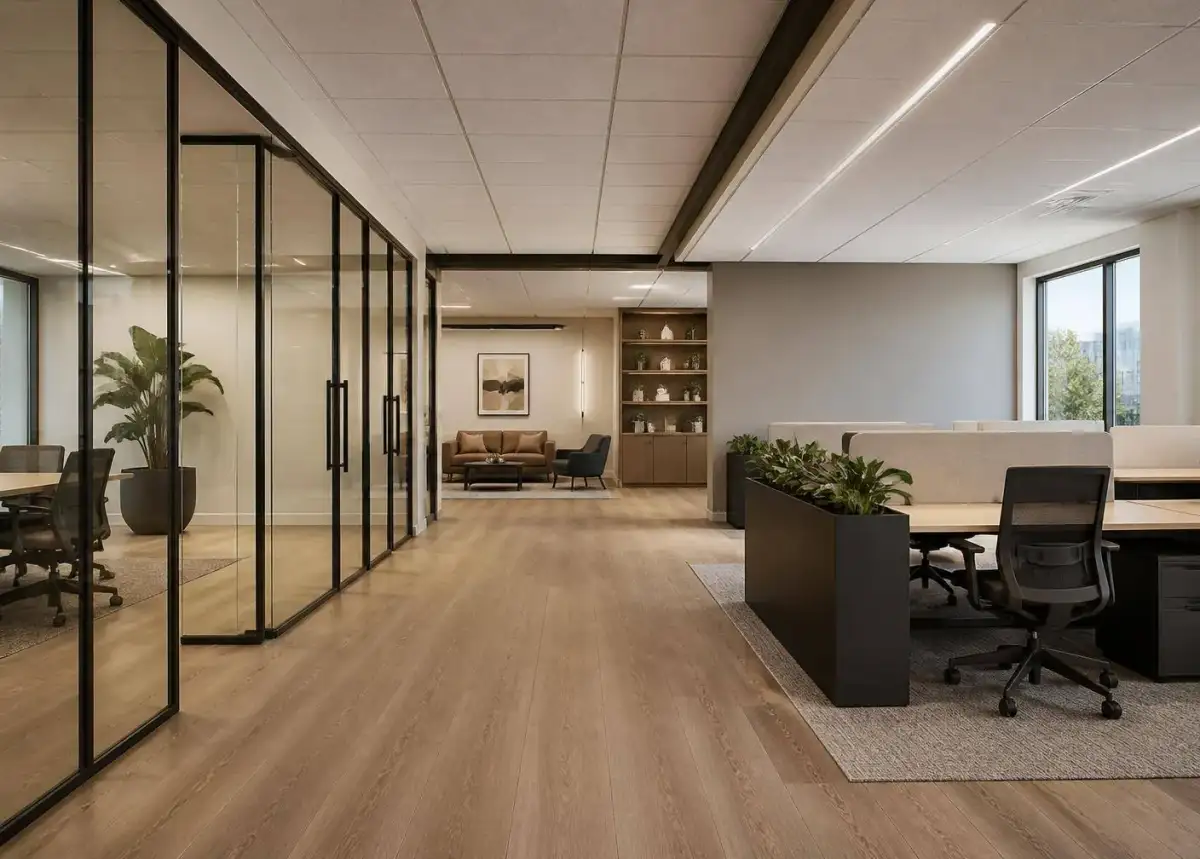
Meeting room displays are specified alongside the video conferencing and audio system they'll actually run, with cable management and control integration planned as one job instead of a screen fitted separately from the AV.
OLED/QLEDTVs,hotel-modetelevisions,commercialdisplays,mounts,cablingandintegration.
Hotel-mode TVs need a different firmware and licensing arrangement to domestic sets — this decision comes before the model, not after.
A screen too large for the room is as much a mistake as one too small — we calculate from actual viewing distance, not budget alone.
Retrofitting a hidden cable route after the TV is on the wall usually means opening up finished plasterwork — we plan this at first fix.
Casting, streaming access and channel lists differ by hospitality content provider — this needs settling before the units are preconfigured.
Plasterboard, brick and stone all need different fixing solutions — we confirm this before specifying the bracket.
Forty rooms of screens arriving before the brackets are fixed means forty boxes stored on site and a second handling job — we phase panels, brackets and preconfiguration together so each floor is mounted, licensed and tested in one visit.
Without hospitality firmware, guests can access the settings menu, delete channels or disconnect from the content platform — hotel-mode units prevent this.
A screen too large for the seating distance is uncomfortable to watch, not impressive — sizing follows the room, not the biggest available model.
A trailing cable down a fresh feature wall undoes the whole install's finish — this needs planning before the wall is closed up.
Representative selections from the catalog — indicative of what we quote, stock-source and deliver week to week. Ask for the full schedule with formats, finishes and current lead times.
0143–85" residential panels with HDR, Dolby Vision and gaming-mode specifications
02Hospitality TVs with pro:centric or equivalent systems, RF pass-through and channel branding
03Large-format displays and video walls for reception, signage and meeting rooms
04Fixed, tilt and full-motion mounts rated per screen weight and VESA pattern
Residential displays and commercial hotel-mode TVs are quoted, configured and delivered as one schedule matched to your rooms or spaces, instead of a generic order that needs reconfiguring on site. This is the part most suppliers leave out: what we import, how televisions & displays should be specified before anyone prices it, where projects lose money, and what our 1–3 wks lead time actually covers.
Televisions and displays for homes, hotels and commercial spaces — OLED and QLED panels, hotel-mode TVs with pro:centric or equivalent systems, commercial displays for reception and signage, plus the wall mounts, in-wall cabling and integration that make a screen disappear into the room instead of hanging off a bracket with visible cable.
Because we buy televisions & displays directly from the factories, the range you see is the range we can programme — not a catalogue we hope to source later. In practice that means OLED & QLED TVs, hotel-mode televisions and commercial displays, each with its own price band and availability, so a specification can be tuned to a budget instead of abandoned.
Cabling planned before the wall is closed: power, HDMI and network routes are marked on the drawing before drywall or plaster closes the wall, so there's no surface trunking afterwards.
A hotel TV isn't a bigger version of a home TV. It's a different product with a different menu, and ordering the wrong one shows up on every guest review.
Power, HDMI and network routes are marked on the drawing before drywall or plaster closes the wall, so there's no surface trunking afterwards.
VESA pattern, weight and wall substrate are checked together, so a plasterboard wall gets the right backing instead of a bracket pulling loose.
Pro:centric or equivalent hospitality firmware, RF pass-through and welcome-screen branding built in, not a retail TV with a sticker.
Identical models across a hotel or apartment block are ordered together and commissioned in one programmed visit per floor.
Specifying televisions & displays well comes down to a short list of decisions taken in the right order — decide residential or commercial spec before ordering, calculate screen size from seating distance, plan cable routing before mounting and confirm content platform before configuring hotel units. Taken on paper, these cost nothing. Taken on site, each one is a change order.
We write the specification with you before anything is quoted, so the number you get is for the material that will actually be installed. That means confirmed dimensions and finishes, the right performance class for the space, and quantities that include the waste factor rather than discovering it mid-installation.
The same reference behaves differently depending on where it goes — living rooms and bedrooms, hotels and guesthouses, meeting rooms and offices, restaurants and bars each carry their own requirements, and we specify against the space rather than against a mood image.
A commercial television with hospitality firmware supporting welcome screens, channel branding and settings lockout.
A configuration that prevents guests from accessing or changing a hospitality TV's internal settings.
A display panel built and rated for many continuous hours of daily operation, used in bars, retail and signage.
Configuration allowing guests to stream content from their own device to the room's television.
Almost every delay we are called in to rescue traces back to the same handful of causes: fitting a domestic TV in a hotel room, oversizing the screen for the room, skipping cable routing at first fix and using a domestic panel for all-day commercial use. None of them are exotic, and all of them are avoidable at specification stage.
Fitting a domestic TV in a hotel room is the most expensive one, because without hospitality firmware, guests can access the settings menu, delete channels or disconnect from the content platform — hotel-mode units prevent this.
We have supplied televisions & displays into living rooms, hotel guest rooms and bars, restaurants & lounges, and the pattern is consistent: the projects that run smoothly are the ones where the material was locked before the trades were booked.
Oversizing the screen for the room — checked once on paper, never again on site.
Without hospitality firmware, guests can access the settings menu, delete channels or disconnect from the content platform — hotel-mode units prevent this.
A screen too large for the seating distance is uncomfortable to watch, not impressive — sizing follows the room, not the biggest available model.
A trailing cable down a fresh feature wall undoes the whole install's finish — this needs planning before the wall is closed up.
Domestic panels aren't rated for many continuous hours and can show image retention — commercial-grade panels are built for it.
Standard lead time on televisions & displays is 1–3 wks from confirmed specification, and that window covers the whole chain — factory programming, consolidation, transport, customs where applicable and delivery to site or to your warehouse. We quote the landed number, not an ex-works price that grows later.
Pricing is per project rather than per line. Because we import directly and consolidate televisions & displays with the rest of the materials for the same room, you get one quote, one delivery window and one point of contact — and the savings show up on the total, not just on a headline reference.
If you already have drawings, send them and we will come back with a specification and a landed price. If you do not, we will build the specification with you first. Either way, nothing is ordered until the quantities, finishes and dates are agreed in writing.
Before. In-wall HDMI, power and network routes need to be marked and first-fixed before drywall or plaster closes the wall — retrofitting later means surface trunking or a chase cut into a finished surface.
Hotel-mode TVs run hospitality firmware such as pro:centric, allowing RF channel pass-through, welcome-screen branding and remote fleet management — features a retail consumer TV doesn't have even at the same screen size.
The mount's VESA pattern and weight rating are matched to the exact TV model, and the wall substrate — stud, masonry or plasterboard — determines the backing or anchor type used.
Yes, identical units are ordered in project quantities and commissioned in one scheduled visit per floor, rather than room by room over separate call-outs.
OLED gives deeper black levels and wider viewing angles, better for dim living rooms and cinema use. QLED runs brighter, which suits rooms with more daylight. We quote both against the room's lighting.
Yes, universal remotes, casting and AV-over-IP control can be specified alongside the screens for multi-room homes or hospitality installations.
Materials from this category are usually specified for interior design projects and retail fit-out. If your project needs installation as well as supply, we handle both together.